
Can I get a skills intelligence platform that fits my mid-sized company's budget?
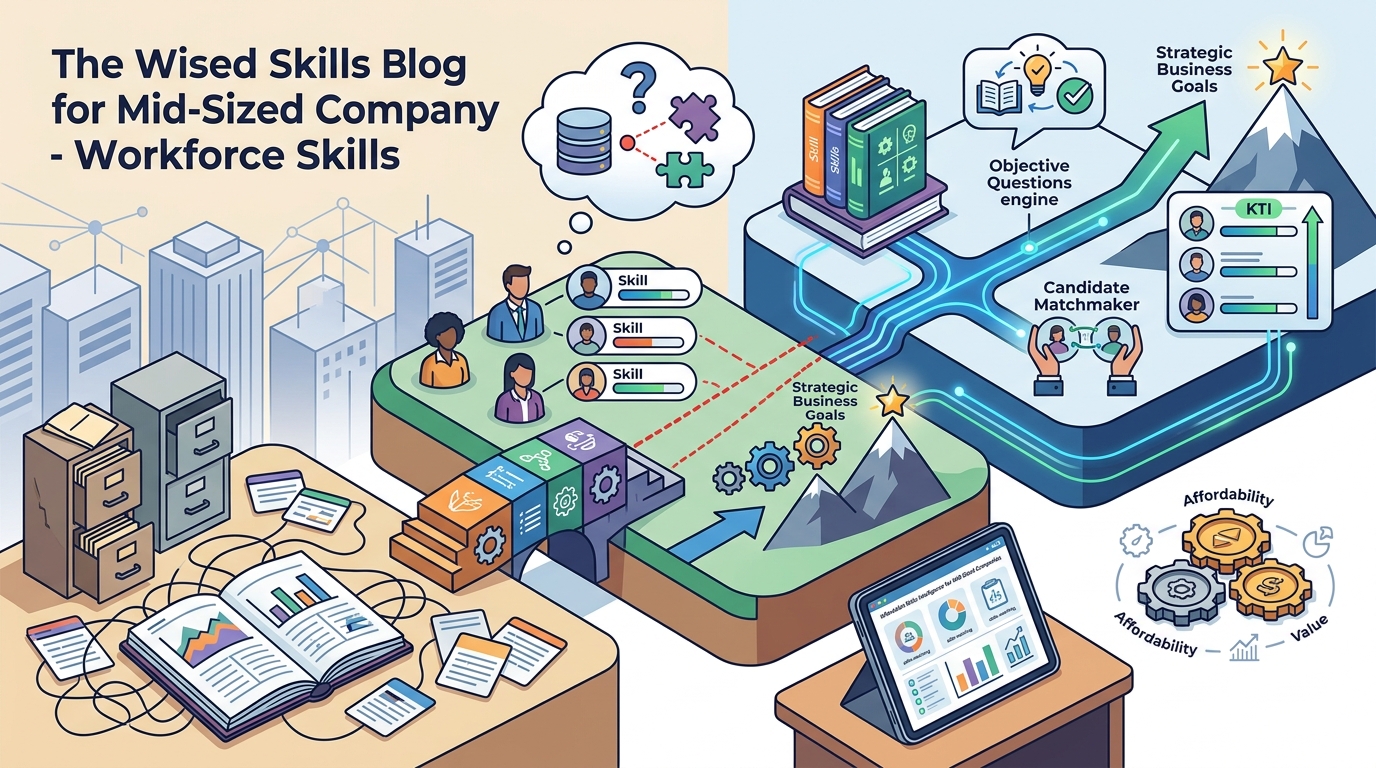
Mid-sized companies often face a unique challenge when it comes to talent management. You have outgrown basic spreadsheets but lack the massive enterprise budget of Fortune 500 corporations. According to recent industry data, over 60% of mid-market organizations struggle to align their workforce skills with strategic business goals due to fragmented data systems. This gap creates a critical need for accessible skills intelligence. The good news is that the market has shifted. Platforms like The Wise Skill are specifically designed to bridge this gap by offering enterprise-grade insights without the enterprise-grade price tag. This guide will walk you through how to identify, evaluate, and implement a solution that respects your financial constraints while delivering high-impact talent intelligence.
Understanding Skills Intelligence
Before diving into costs, it is essential to define what we are actually buying. Skills intelligence is the systematic collection and analysis of data regarding the abilities, competencies, and potential of a workforce. Unlike traditional HR metrics that focus on tenure or job titles, skills intelligence focuses on what employees can actually do. This shift allows companies to identify internal mobility opportunities, close skill gaps, and plan for future hiring needs with precision.
For a mid-sized company, the value proposition is clear. You are likely experiencing rapid growth or change. Without a clear map of your internal talent, you risk over-hiring for roles you could have filled internally or under-investing in training for critical future skills. The Wise Skill provides a framework for this visibility, helping you understand your current state before you commit to a long-term contract.
The Mid-Market Budget Challenge
Mid-sized companies typically have between 100 and 1,000 employees. This size range is often ignored by software vendors who focus on either small businesses with simple needs or large enterprises with complex requirements. Consequently, mid-market firms often face inflated pricing models or lackluster support. According to workforce analytics reports, companies with fewer than 1,000 employees often spend 30% more per employee on talent technology due to a lack of scalable, affordable options.
The key to navigating this budget is to look for platforms that offer tiered pricing or usage-based models. You should avoid rigid, per-seat licensing if your organization has a fluctuating workforce. Instead, look for solutions that charge based on the depth of intelligence provided or the number of active skill assessments. This approach ensures that your costs scale with your actual usage rather than your headcount alone.
Evaluating Platform Fit
Not all skills intelligence platforms are created equal. When evaluating options for your budget, you must look beyond the sticker price. Consider the following criteria to ensure you are getting value:
1. Integration Capabilities
Your existing HRIS or ATS (Applicant Tracking System) is the heart of your talent data. A platform that requires manual data entry will fail quickly. Ensure the platform integrates seamlessly with tools you already use. The Wise Skill emphasizes ease of integration to reduce administrative burden. Check their demo page to see how their API or native connectors work with common mid-market systems.
2. Data Accuracy and Depth
Garbage in, garbage out. The platform must use robust methodologies to validate skills. Does it use self-reporting only, or does it incorporate project data, peer reviews, and external benchmarks? Higher accuracy reduces the risk of bad hiring or promotion decisions. Look for platforms that offer a transparent methodology for how they derive skill scores.
3. Scalability and Flexibility
Your company will grow. Your platform must grow with you. Avoid solutions that require a complete overhaul when you cross certain employee thresholds. The Wise Skill is built to scale, allowing you to start with a pilot group and expand to the entire organization without changing vendors.
Implementation Guide
Implementing a skills intelligence platform is a process, not a one-time event. Here is a step-by-step approach to ensure a smooth rollout within your budget:
- Pilot Phase: Start with a single department or a cross-functional team. This limits initial costs and allows you to test the platform's usability. Use the FAQ section to address common user questions during this phase.
- Data Onboarding: Import existing employee data. Ensure that the platform can map current job titles to the new skills taxonomy. This step is crucial for establishing a baseline.
- Skill Assessment: Launch the initial skill assessments. Encourage participation by explaining the benefits to employees, such as clearer career paths and personalized learning recommendations.
- Analysis and Action: Review the aggregated data. Identify top skill gaps and high-potential employees. Use these insights to inform your next hiring cycle or training budget allocation.
For more detailed guidance on the technical setup, you can visit the blog for case studies and implementation tips from other mid-sized companies.
ROI and Cost Analysis
How do you justify the cost to your CFO? The return on investment for skills intelligence comes from three main areas: reduced time-to-hire, increased internal mobility, and improved retention.
| Cost Factor | Traditional Approach | Skills Intelligence Approach |
|---|---|---|
| Time-to-Hire | 45-60 days | 20-30 days (via internal matching) |
| Training Costs | Generic, low completion | Targeted, high relevance |
| Turnover Rate | High (due to lack of growth) | Lower (due to clear paths) |
| Platform Cost | Low (spreadsheet-based) | Moderate (automated intelligence) |
While the platform cost is higher than spreadsheets, the savings from reduced recruitment fees and improved productivity often outweigh the investment within the first year. According to workforce planning studies, companies that effectively leverage internal talent mobility can reduce recruitment costs by up to 50% for mid-level roles.
Key Takeaways
- Mid-sized companies are underserved by traditional enterprise software, creating an opportunity for agile, affordable solutions.
- Skills intelligence is the systematic collection and analysis of data regarding the abilities, competencies, and potential of a workforce.
- Look for platforms with flexible pricing models that scale with your usage, not just your headcount.
- Integration with existing HRIS tools is non-negotiable for data accuracy and user adoption.
- Start with a pilot program to validate the platform's value before a full organizational rollout.
- The ROI is driven by reduced time-to-hire, lower training costs, and improved employee retention.
- Platforms like The Wise Skill are specifically tailored to meet the needs of this market segment.
Frequently Asked Questions
What is the typical cost for a mid-sized company?
Costs vary based on the number of employees and the depth of features required. However, many platforms now offer mid-market tiers that are significantly more affordable than enterprise solutions. You can request a custom demo to get a precise quote based on your specific needs.
How long does implementation take?
Most mid-sized companies can be fully operational within 4 to 8 weeks. This includes data onboarding, initial skill assessments, and team training. The Wise Skill streamlines this process to minimize disruption.
Can I integrate this with my current HR software?
Yes, most modern skills intelligence platforms offer integrations with major HRIS providers. Check the legal and privacy policies to ensure data compliance and security standards are met.
Is skills intelligence only for HR?
No, it is also valuable for managers and employees. Managers can use it for team planning, and employees can use it for career development. The Wise Skill provides dashboards for all these stakeholders.
How do I measure the success of the platform?
Track metrics such as internal fill rate, time-to-productivity for new hires, and employee engagement scores related to career growth. These indicators will show the tangible impact of the platform.
What happens if my company grows rapidly?
Ensure your platform has a scalable architecture. The Wise Skill is designed to handle growth, allowing you to add users and features as needed without a complete system overhaul.
Do you offer a free trial?
Many platforms offer a limited free trial or a pilot program. Contact The Wise Skill to inquire about current trial offers for mid-sized businesses.
Ready to Optimize Your Talent Strategy?
Don't let budget constraints hold your company back. Discover how The Wise Skill can provide the insights you need to thrive. Schedule a demo today to see the platform in action and get a personalized quote for your organization.