
How to Identify Skills Intelligence Gaps Within Your Current Workforce
Organizations that fail to align their talent strategy with emerging market demands face significant operational risks. According to recent industry analyses, nearly 60% of companies report a critical disconnect between their current workforce capabilities and future business needs. This misalignment often results in stalled innovation, increased turnover, and diminished competitive advantage. To secure long-term growth, leaders must move beyond traditional performance reviews and adopt a rigorous skills intelligence framework. This guide outlines the precise steps to diagnose these gaps effectively and implement corrective measures.
Defining Skills Intelligence
Before diagnosing gaps, you must understand the core concept. Skills intelligence is the systematic collection and analysis of data regarding the abilities, competencies, and potential of employees within an organization. Unlike traditional human resources metrics that focus on tenure or job titles, skills intelligence focuses on what people can actually do. It provides a dynamic map of your internal talent pool, allowing leaders to see hidden capabilities and critical deficiencies in real time.
Without this clarity, organizations operate on assumptions rather than facts. This leads to poor hiring decisions and ineffective training programs. By establishing a baseline of skills intelligence, you create a data-driven foundation for all future workforce planning. For more insights on building a robust talent strategy, visit our about page to learn how we approach these challenges.
Auditing Current Capabilities
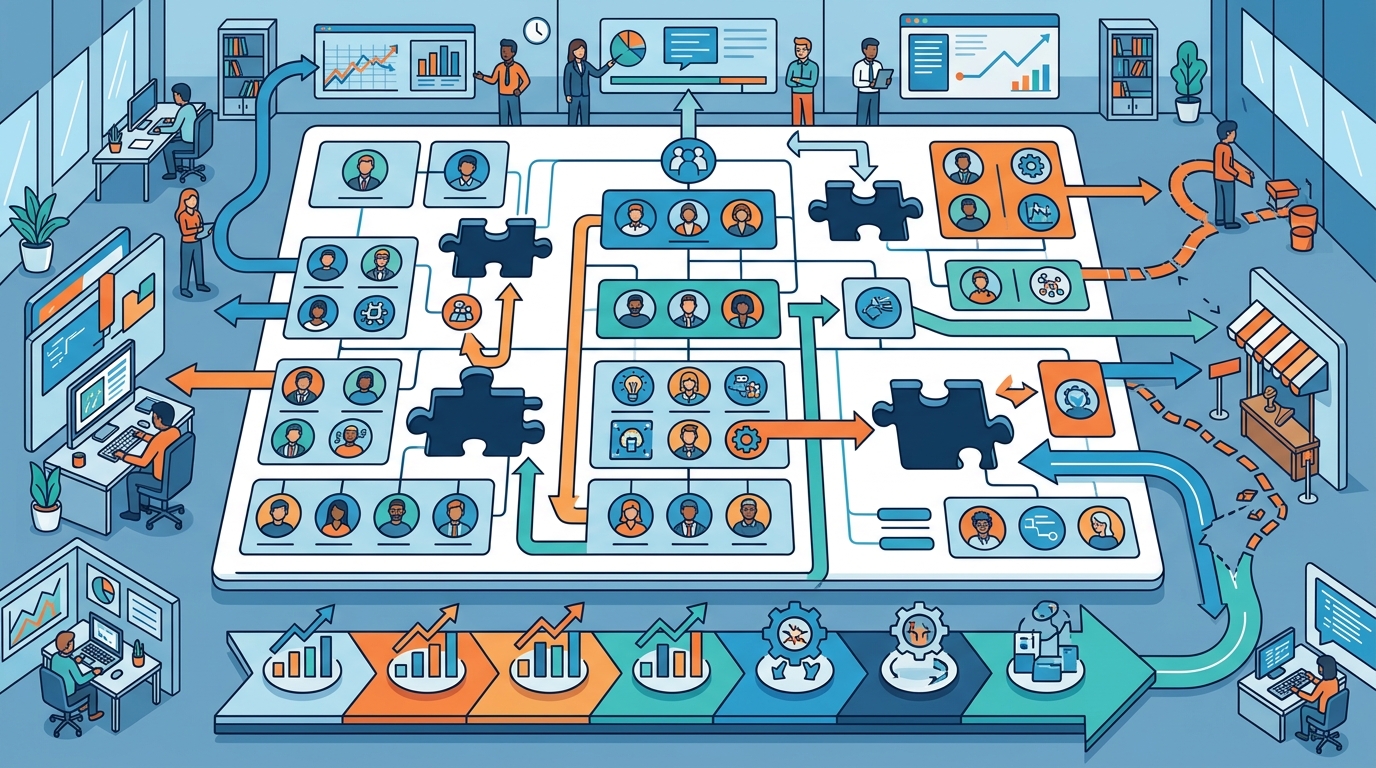
The first step in identifying gaps is a comprehensive audit of your existing workforce. This process requires moving beyond self-reported resumes and conducting a multi-faceted assessment of actual performance. (Skills Gaps A)
1. Implement Skills-Based Assessments
Traditional job descriptions are often outdated and fail to capture the nuance of modern roles. Instead, implement practical skills-based assessments that test specific competencies. These assessments should include technical tests, behavioral simulations, and peer reviews. This data provides an objective view of current proficiency levels. According to a 2024 report by the World Economic Forum, skills-based hiring and assessment can reduce hiring bias by up to 30% while improving retention rates.
2. Analyze Performance Data
Review historical performance data to identify patterns. Look for employees who consistently exceed expectations in certain areas and those who struggle with specific tasks. This historical context helps distinguish between a lack of skill and a lack of opportunity. It also highlights high-potential individuals who may be underutilized. For detailed methodologies on performance evaluation, check our blog resources.
3. Conduct Employee Surveys
Direct feedback is invaluable. Ask employees to self-report their skills, interests, and career aspirations. While self-reporting can be biased, it reveals the employee's perspective on their own capabilities and their desire to grow. Cross-reference this data with manager evaluations to find discrepancies. This dual-layered approach ensures a more accurate picture of the workforce. (Skills Gaps A)
Mapping Future Needs
Identifying gaps requires a clear vision of where the organization is heading. You cannot measure the distance to a destination you have not defined.
Strategic Workforce Planning
Collaborate with executive leadership to define the strategic goals for the next one to three years. If the company plans to expand into AI-driven services, for example, you will need a different skill set than if you are focusing on operational efficiency. This strategic alignment ensures that your skills audit is relevant to business outcomes. According to LinkedIn's 2025 Workplace Learning Report, 94% of employees would stay at a company longer if it invested in their career development.
Industry Benchmarking
Compare your internal skill requirements against industry standards. Use external labor market data to understand which skills are becoming obsolete and which are in high demand. This external perspective prevents internal tunnel vision. It helps you anticipate shifts in the market before they impact your bottom line. For more on industry trends, read our frequently asked questions section.
Conducting the Gap Analysis
Once you have data on current capabilities and future needs, you can perform the gap analysis. This step involves comparing the two datasets to identify discrepancies.
Quantifying the Discrepancy
Calculate the specific number of employees who possess a critical skill versus the number required. Identify the severity of the gap. Is it a minor deficiency that can be addressed with a short course, or a critical shortage requiring new hires? This quantification helps prioritize resources. According to a 2023 study by Deloitte, organizations that conduct regular skills gap analyses are 50% more likely to achieve their strategic goals.
Categorizing the Gaps
Not all gaps are created equal. Categorize them into three types:
- Technical Gaps: Deficiencies in hard skills, such as coding, data analysis, or machinery operation.
- Soft Skill Gaps: Deficiencies in interpersonal abilities, such as leadership, communication, or adaptability.
- Emerging Skill Gaps: Lack of knowledge in new technologies or methodologies that are just entering the market.
Understanding the category of the gap determines the solution. Technical gaps may require external training, while soft skill gaps might need mentorship programs.
Leveraging Technology
Manual gap analysis is time-consuming and prone to error. Modern organizations use specialized software to automate and enhance this process.
Skills Ontologies and AI
Use AI-driven skills ontologies to map employee skills to job roles automatically. These systems can infer skills from project history, certifications, and learning activities. This reduces the administrative burden on HR teams. It also provides a more dynamic and up-to-date view of the workforce. For a demonstration of how our platform handles this complexity, schedule a demo today.
Continuous Monitoring
Skills gaps are not static. They evolve as technology changes and business strategies shift. Implement continuous monitoring tools that track skill acquisition and depreciation over time. This proactive approach allows you to address gaps before they become critical. It also helps in identifying high-potential employees who are actively upskilling. To learn more about our approach, visit our legal page for compliance standards.
Key Takeaways
- Skills Intelligence Definition: Skills intelligence is the systematic collection and analysis of data regarding the abilities, competencies, and potential of employees within an organization.
- Audit Necessity: A comprehensive audit must include skills-based assessments, performance data analysis, and employee surveys to be accurate.
- Strategic Alignment: Future skill needs must be mapped directly to strategic business goals to ensure relevance.
- Gap Categorization: Gaps should be categorized as technical, soft skill, or emerging to determine the appropriate solution.
- Technology Role: AI-driven tools are essential for automating mapping and enabling continuous monitoring of skill dynamics.
- Retention Impact: Investing in skills development significantly improves employee retention and engagement.
- Proactive Approach: Regular analysis prevents critical shortages and supports agile business adaptation.
Frequently Asked Questions
What is the difference between skills intelligence and traditional HR metrics?
Traditional HR metrics focus on tenure, job titles, and performance ratings. Skills intelligence focuses on the actual capabilities and potential of employees, providing a more dynamic and actionable view of talent.
How often should a skills gap analysis be conducted?
It is recommended to conduct a formal skills gap analysis at least annually. However, continuous monitoring using technology allows for real-time adjustments to workforce planning.
Can skills intelligence reduce hiring costs?
Yes. By identifying internal candidates who can be upskilled, organizations can reduce reliance on expensive external hiring processes. This internal mobility strategy is often more cost-effective and faster.
What are the most common skills gaps in 2026?
Common gaps include digital literacy, data analysis, AI proficiency, and soft skills like adaptability and emotional intelligence. These areas are critical due to rapid technological advancements.
How do I measure the success of a skills development program?
Success can be measured by tracking the improvement in assessment scores, the reduction in skill gaps over time, and the correlation between upskilling and business performance metrics.
Is self-reporting reliable for skills audits?
Self-reporting provides valuable insight into employee confidence and aspirations but should be cross-referenced with objective assessments to ensure accuracy and reduce bias.
What role does leadership play in skills intelligence?
Leadership must define the strategic direction and provide the resources for skills development. Without executive support, skills initiatives often fail to gain traction or budget.
Ready to Close Your Skills Gaps?
Identifying skills intelligence gaps is the first step toward building a resilient and future-ready workforce. Do not let talent deficiencies hold your organization back. Our platform provides the tools and insights you need to map, analyze, and close these gaps effectively. Book a demo today to see how The Wise Skill can transform your workforce strategy. For more information on our services, visit our about page.