
Organizations are rapidly abandoning traditional degree requirements in favor of skills-based hiring to address critical talent shortages. According to recent industry data, companies that adopt skills-first strategies report a 25% increase in hiring efficiency and a significant reduction in time-to-fill metrics. This shift is not merely a trend but a structural evolution in how human capital is acquired and managed. By focusing on what candidates can actually do rather than where they studied, businesses unlock a wider, more diverse talent pool while reducing unconscious bias in the recruitment process.
Defining the Skills-Based Hiring Framework
Before diving into the benefits, it is crucial to understand the core mechanics of this approach. Skills-based hiring is a recruitment methodology that prioritizes the specific abilities and competencies required for a role over traditional credentials like degrees or years of experience. This framework deconstructs jobs into their essential components, identifying the hard and soft skills necessary for success.
Traditional hiring often relies on degree filtering as a proxy for capability. However, this method frequently excludes qualified candidates who have acquired skills through alternative pathways such as bootcamps, self-study, or non-traditional career transitions. By removing these artificial barriers, organizations can evaluate candidates based on their actual potential to perform the job duties. This approach aligns closely with the mission of platforms like The Wise Skill, which focuses on recruiting and training that finally work by emphasizing practical competence.
The framework requires a shift in mindset from "who you know" or "where you went to school" to "what you can deliver." This shift demands rigorous job analysis and the development of standardized assessment tools that measure proficiency objectively. When implemented correctly, this method creates a more agile workforce capable of adapting to rapid technological changes.
Expanding Talent Pools and Diversity
One of the most immediate benefits of adopting a skills-based framework is the dramatic expansion of the available talent pool. By removing degree requirements, recruiters gain access to candidates who may have been previously filtered out by automated applicant tracking systems (ATS). This includes self-taught developers, career changers, and individuals from non-traditional educational backgrounds.
This expansion directly correlates with improved diversity, equity, and inclusion (DEI) outcomes. Research indicates that degree requirements disproportionately affect women and underrepresented minorities, who are less likely to hold four-year degrees in certain fields. By focusing on skills, organizations can build teams that better reflect the demographics of their customer base and the broader society.
A more diverse talent pool also drives innovation. Teams composed of individuals with varied backgrounds and problem-solving approaches are statistically more likely to generate creative solutions. This is particularly critical in technology and creative industries where fresh perspectives are valued over conformity. For more insights on effective recruiting strategies, visit the blog section of The Wise Skill.
Reducing Unconscious Bias in Recruitment
Unconscious bias remains a persistent challenge in traditional hiring processes. Recruiters may inadvertently favor candidates who share their educational background, alma mater, or cultural references. This "affinity bias" can lead to homogeneous teams that lack the cognitive diversity needed for complex problem-solving.
Skills-based hiring mitigates this by introducing objective criteria. When candidates are assessed on standardized work samples or structured interviews focused on specific competencies, the influence of personal bias is significantly reduced. This ensures that hiring decisions are based on merit and capability rather than pedigree.
Furthermore, this approach promotes fairness by providing equal opportunity to all applicants regardless of their socioeconomic status. It levels the playing field for individuals who may not have had access to elite educational institutions but possess the necessary drive and aptitude to excel. This fairness not only enhances the organization's reputation but also improves employee morale and trust in the hiring process.
Improving Employee Retention and Performance
Hiring for skills often leads to better job-person fit, which is a strong predictor of long-term retention. When candidates are evaluated on their actual ability to perform the tasks required, the likelihood of them succeeding in the role increases. This reduces the risk of hiring someone who looks good on paper but struggles with the day-to-day responsibilities.
Additionally, skills-based organizations often invest more heavily in training and development. Since the focus is on potential and core competencies rather than a fixed set of prior experiences, there is a greater emphasis on upskilling current employees. This investment fosters loyalty and engagement, as employees feel supported in their professional growth.
Data shows that companies with strong skills-based cultures report higher employee satisfaction scores. Employees who feel their skills are recognized and utilized effectively are more likely to stay with the organization. This reduces turnover costs, which can be substantial when factoring in recruitment, onboarding, and lost productivity.
Cost Efficiency and ROI Analysis
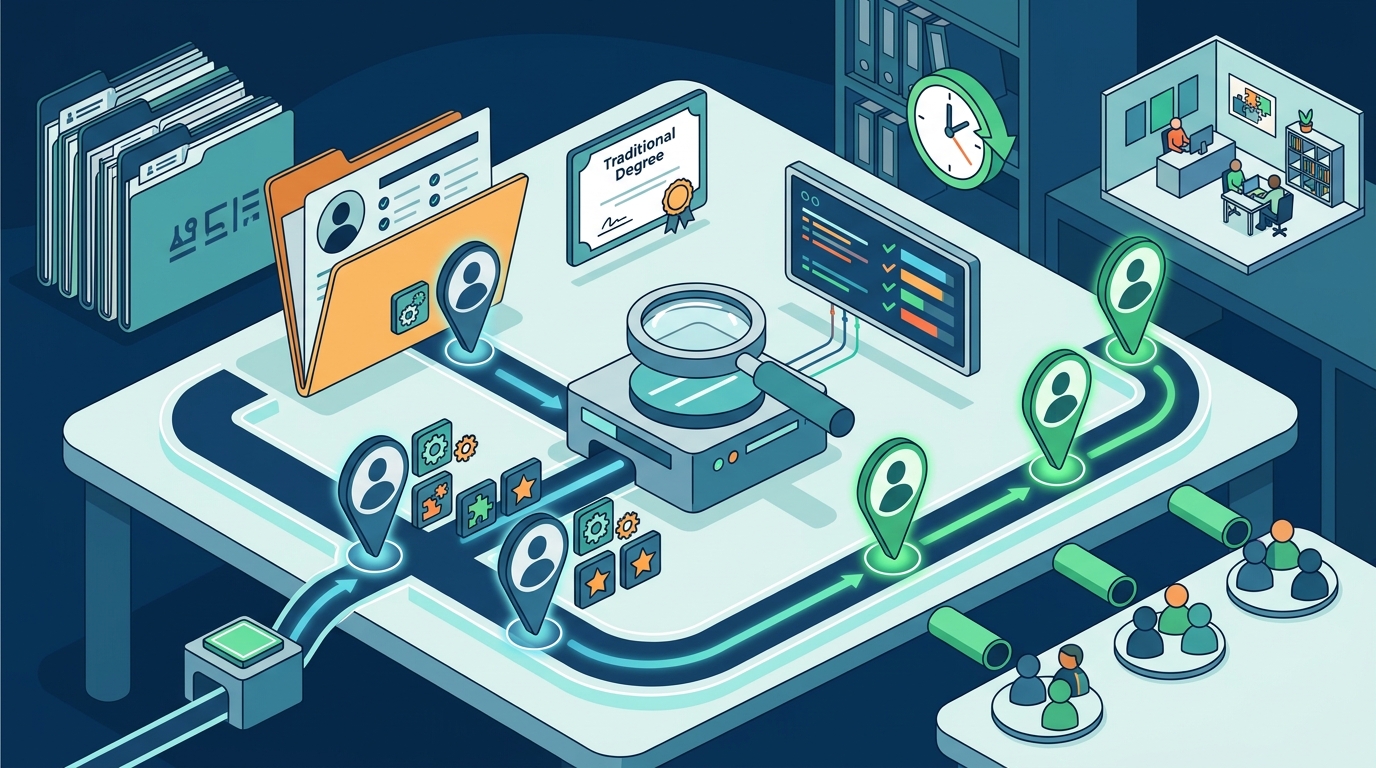
While implementing a skills-based hiring framework requires initial investment in process redesign and assessment tools, the long-term return on investment (ROI) is compelling. Reduced time-to-fill and lower cost-per-hire are direct financial benefits. By accessing a larger talent pool, organizations can negotiate better compensation packages and reduce reliance on expensive executive search firms.
Moreover, the reduction in bad hires saves significant resources. A bad hire can cost up to 1.5 to 2 times the employee's annual salary when accounting for recruitment, training, and lost productivity. By improving the quality of hire through skills assessments, companies avoid these costly mistakes.
The efficiency gains also extend to the recruitment team. Automated skills assessments and structured evaluation criteria streamline the screening process, allowing recruiters to focus on high-value activities like candidate engagement and relationship building. This operational efficiency allows HR teams to scale their efforts without proportional increases in headcount.
Implementation Strategies for Success
Transitioning to a skills-based model requires a strategic approach. It begins with a thorough job analysis to identify the essential skills for each role. This involves collaborating with hiring managers to define what success looks like in practical terms.
Next, organizations must develop or acquire assessment tools that accurately measure these skills. This could include work samples, technical tests, or structured behavioral interviews. The key is ensuring that these assessments are valid, reliable, and free from bias.
Communication is also critical. Candidates and internal stakeholders must understand the rationale behind the shift. Transparency about the new hiring criteria helps build trust and sets clear expectations. For those looking to optimize their recruiting and training processes, exploring demo options can provide valuable insights into best practices.
Finally, continuous improvement is necessary. Organizations should regularly review their hiring data to identify areas for refinement. This includes analyzing the predictive validity of their assessments and adjusting criteria as job requirements evolve.
Key Takeaways
- Expanded Talent Access: Removing degree requirements unlocks a wider, more diverse pool of qualified candidates.
- Bias Reduction: Objective skills assessments minimize unconscious bias and promote fair hiring practices.
- Improved Retention: Better job-person fit leads to higher employee satisfaction and lower turnover rates.
- Cost Savings: Reduced time-to-fill and fewer bad hires result in significant financial ROI.
- Agility: Skills-based frameworks allow organizations to adapt quickly to changing market demands.
- Innovation: Diverse teams driven by skills rather than pedigree foster greater creativity and problem-solving.
- Strategic Alignment: Hiring for skills aligns human capital strategy with business objectives more effectively.
Frequently Asked Questions
What is the primary difference between skills-based hiring and traditional hiring?
Traditional hiring relies heavily on credentials like degrees and years of experience as proxies for capability. Skills-based hiring focuses directly on the specific abilities and competencies required to perform the job, regardless of how they were acquired.
How does skills-based hiring improve diversity?
By removing degree barriers, skills-based hiring opens opportunities for candidates from non-traditional backgrounds, including women and underrepresented minorities who may have been historically excluded from certain fields.
Is skills-based hiring suitable for all industries?
While most industries can benefit, it is particularly effective in technology, creative arts, and trades where demonstrable skills are more critical than academic credentials. However, regulated fields may still require specific licenses.
What are the challenges of implementing a skills-based framework?
Challenges include the initial cost of developing assessments, the need for training recruiters on new evaluation methods, and overcoming cultural resistance to changing long-standing hiring practices.
How do you measure the success of skills-based hiring?
Success can be measured through metrics such as time-to-fill, quality of hire, employee retention rates, and diversity statistics. Additionally, tracking the performance of hires over time validates the effectiveness of the skills assessments.
Can skills-based hiring reduce bias in recruitment?
Yes, by using objective criteria and standardized assessments, skills-based hiring reduces the influence of unconscious bias related to pedigree, age, or background, leading to more merit-based decisions.
What role does technology play in skills-based hiring?
Technology facilitates the process through automated skills assessments, AI-driven candidate matching, and data analytics that help identify the most predictive skills for job success.
How does skills-based hiring impact employee development?
It encourages a culture of continuous learning and upskilling, as the focus shifts from static credentials to dynamic capabilities that can be developed and refined over time.
Start Your Skills-Based Journey
Transforming your organization's hiring process is a strategic imperative in today's competitive landscape. By adopting a skills-based framework, you position your company to attract top talent, reduce bias, and drive sustainable growth. To explore how The Wise Skill can help you implement recruiting and training solutions that finally work, schedule a demo today and take the first step toward a more agile and inclusive workforce.