
Can I get a skills intelligence platform that fits my mid-sized company's budget?
Mid-sized enterprises often face a critical gap in talent strategy. They are too large to rely on manual spreadsheets yet too small to justify the six-figure price tags of enterprise-grade AI tools. According to recent workforce analytics, 75% of organizations report a significant skills gap that directly impacts their ability to innovate. This statistic highlights the urgency for mid-market companies to adopt data-driven talent strategies without breaking their financial reserves. The solution lies in selecting a platform that scales with your operational complexity while maintaining cost efficiency.
Understanding Skills Intelligence
A skills intelligence platform is a software system that maps, analyzes, and predicts workforce capabilities using data from internal records and external labor markets. Unlike traditional HRIS systems that focus on job titles and tenure, skills intelligence focuses on the actual competencies employees possess. This shift allows companies to identify internal mobility opportunities, reduce hiring costs, and upskill existing staff more effectively.
The concept of skills-based hiring is gaining traction rapidly. McKinsey reports that skills-based hiring can reduce time-to-fill by up to 50% while improving diversity metrics. For mid-sized companies, this means accessing top talent from a broader pool without the premium cost of specialized recruiters. The platform acts as the central nervous system for your talent data, connecting HR, L&D, and management teams.
Budget Challenges for Mid-Market Firms
Mid-sized companies typically operate with leaner IT and HR budgets than their enterprise counterparts. They cannot absorb the high implementation fees and ongoing maintenance costs associated with legacy vendors. Furthermore, the ROI timeline for these tools must be shorter. If a platform takes two years to pay for itself, it is not viable for a company needing immediate operational improvements.
The financial pressure is real. Gartner predicts that by 2025, 70% of organizations will have skills-based organizations, up from less than 20% in 2023. This rapid adoption means that mid-market firms must act now to avoid falling behind. However, they must do so without overextending their financial resources. The key is to find a vendor that understands the mid-market context and offers scalable pricing.
Key Features to Prioritize
When evaluating platforms for a mid-sized budget, you must prioritize features that deliver immediate value. Do not pay for enterprise bloat. Focus on core capabilities that drive talent mobility and internal hiring.
Automated Skills Extraction
Manual tagging of employee skills is unsustainable. The platform must automatically extract skills from resumes, performance reviews, and project histories. This automation reduces the administrative burden on HR teams and ensures data accuracy.
Internal Talent Marketplace
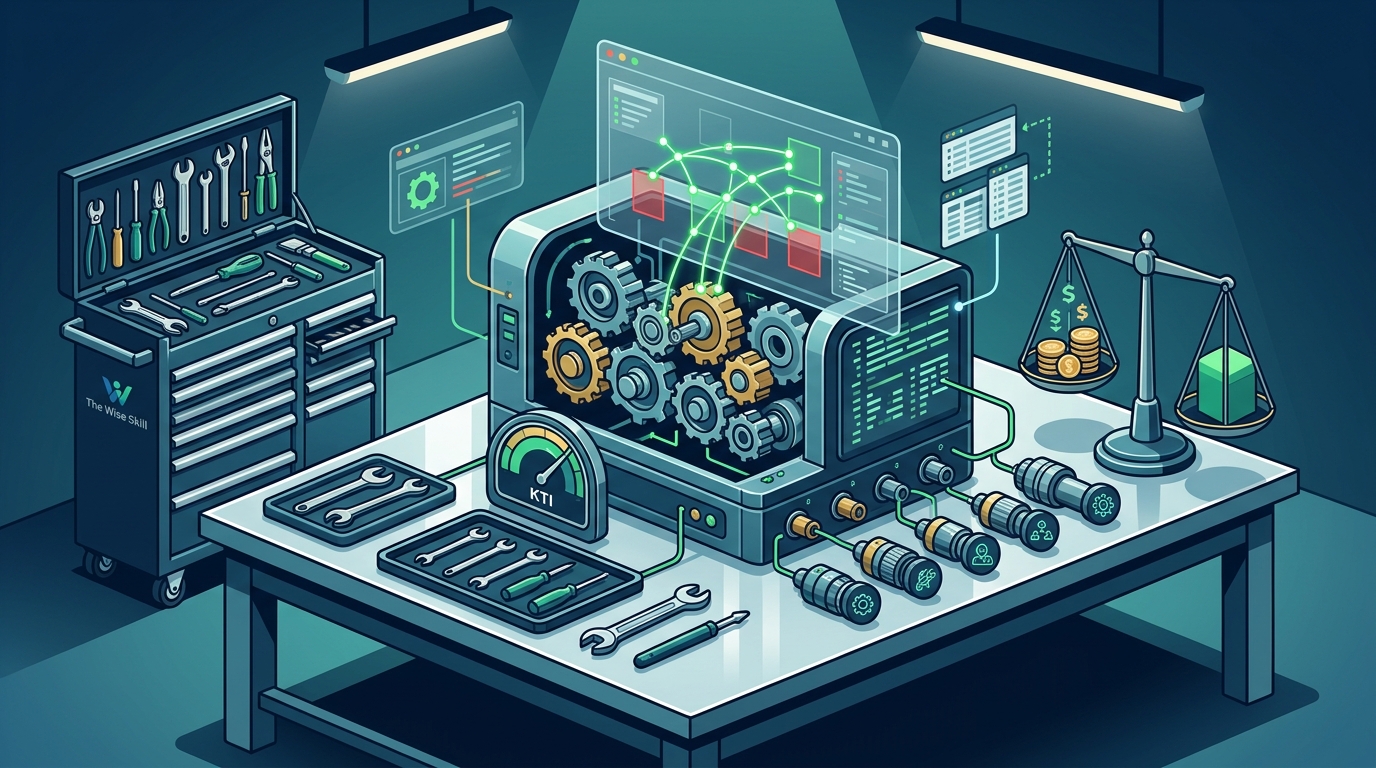
A robust internal marketplace allows managers to post gigs, projects, and full-time roles. Employees can apply based on their verified skills. This feature directly reduces external hiring costs. The World Economic Forum notes that skills-based hiring is critical for navigating the future of work. An internal marketplace leverages this by keeping talent within the organization.
Integration Capabilities
The platform must integrate seamlessly with your existing HRIS, ATS, and LMS. Data silos defeat the purpose of skills intelligence. Ensure the vendor offers pre-built connectors for major systems like Workday, SAP, or BambooHR.
Understanding Cost Models
Pricing structures vary widely across the market. Understanding these models helps you forecast total cost of ownership (TCO). Below is a comparison of common pricing approaches for mid-sized companies.
| Pricing Model | Description | Best For | Estimated Cost Range |
|---|---|---|---|
| Per-User Monthly | Charges a fixed fee per active employee per month. | Companies with fluctuating headcount. | $5 - $15 per user/month |
| Flat License | A fixed annual fee regardless of user count. | Stable mid-sized teams. | $20,000 - $50,000/year |
| Usage-Based | Charges based on API calls or data processed. | Companies with heavy data integration needs. | Variable based on volume |
| Value-Based | Pricing tied to specific outcomes or modules. | Companies seeking specific ROI metrics. | Custom quotes |
For many mid-sized firms, a per-user model offers the best flexibility. It allows you to scale costs up or down as your organization grows. However, flat licenses can offer significant savings if your headcount is stable and large enough to justify the upfront investment.
Implementation and ROI
Implementation speed is a critical factor for mid-sized companies. You cannot afford a six-month deployment cycle. Look for vendors that offer rapid onboarding services and pre-configured templates. The Wise Skill, for instance, focuses on recruiting and training frameworks that work quickly. Their approach emphasizes practical application over theoretical complexity. This philosophy aligns with the needs of mid-market firms that require immediate results.
Calculating ROI involves comparing the cost of the platform against savings from reduced external hiring and improved internal mobility. Boston Consulting Group highlights that skills-based organizations see a 10-15% increase in productivity. This metric alone can justify the platform cost for many companies. Additionally, reduced turnover due to better career pathing contributes to long-term savings.
Key Takeaways
- Skills Intelligence is Essential: It maps workforce capabilities to drive internal mobility and reduce hiring costs.
- Mid-Market Budgets are Tight: Avoid enterprise bloat and focus on scalable, per-user pricing models.
- Automation is Key: Automated skills extraction reduces administrative burden and improves data accuracy.
- Integration Matters: Seamless connectivity with existing HRIS and ATS systems is non-negotiable.
- ROI is Measurable: Reduced time-to-fill and increased productivity provide clear financial justification.
- Rapid Onboarding: Choose vendors that offer quick deployment to realize benefits faster.
- Strategic Alignment: Ensure the platform supports your long-term talent strategy, not just immediate needs.
Frequently Asked Questions
What is the typical cost for a mid-sized company?
Costs typically range from $5 to $15 per user per month for per-user models. Flat licenses may range from $20,000 to $50,000 annually depending on feature sets.
How long does implementation take?
Most modern platforms can be implemented in 4 to 8 weeks. Vendors with rapid onboarding services can reduce this timeline further.
Can skills intelligence replace our HR team?
No, it augments your HR team by automating data collection and analysis. It provides insights that help HR make better decisions, but human judgment remains critical.
What integrations are necessary?
Essential integrations include your HRIS, ATS, and LMS. Ensure the platform offers pre-built connectors for your specific tech stack.
How do I calculate ROI?
Calculate ROI by comparing the platform cost against savings from reduced external hiring, lower turnover, and increased internal mobility productivity.
Is skills intelligence only for large enterprises?
No, mid-sized companies benefit significantly. They often have more agility to implement changes and see faster ROI than larger, slower-moving organizations.
What data sources does the platform use?
Platforms typically use internal data like resumes, performance reviews, and project histories, combined with external labor market data for benchmarking.
How often is the skills data updated?
Most platforms update data in real-time or daily, depending on the integration frequency with your HRIS and other data sources.
Next Steps
Ready to transform your talent strategy? Discover how The Wise Skill can help your mid-sized company build a robust skills intelligence framework. Learn more about our mission to make recruiting and training work for everyone. Explore our latest insights on workforce development. Check our FAQ for more details. Review our legal terms here. See our privacy policy for data handling info. Visit our FAQ page for quick answers. Book a demo today to see the platform in action.