
Choosing the Right Skills Intelligence Platform for Your Team
Organizations that fail to map their internal talent capabilities are losing competitive ground in an increasingly volatile labor market. According to recent industry analysis, companies with mature skills intelligence frameworks report a 30% faster time-to-fill for critical roles compared to those relying on traditional resume screening. This statistic highlights the urgent need for data-driven talent strategies. The Wise Skill provides the foundational recruiting and training infrastructure necessary to bridge this gap effectively. By understanding the core components of skills intelligence, leaders can make informed decisions that align human capital with business objectives.
Understanding Skills Intelligence
Skills intelligence is the systematic collection, analysis, and application of data regarding the capabilities of your workforce. It moves beyond job titles to focus on the actual tasks, knowledge, and competencies required to perform work. This approach allows organizations to identify skill gaps, predict future hiring needs, and create personalized learning paths for employees.
Unlike traditional human resources software that focuses on administrative tasks, skills intelligence platforms act as a dynamic map of your organization's human capital. They utilize natural language processing and machine learning to extract skills from resumes, performance reviews, and project histories. This creates a real-time view of what your team can do, rather than what they claim to have done in the past.
The value proposition is clear. When you know exactly what skills exist within your company, you can redeploy talent internally instead of recruiting externally. This reduces turnover costs and accelerates project delivery. For more insights on recruiting strategies, visit The Wise Skill Blog.
Core Evaluation Criteria
Selecting a platform requires a rigorous assessment of your specific operational needs. Not all skills intelligence tools are created equal. Some focus heavily on external labor market data, while others prioritize internal skill extraction. You must determine which aspect is more critical for your immediate goals.
Data Accuracy and Granularity
The quality of the underlying skills ontology is paramount. A platform that relies on outdated or overly broad skill categories will provide little actionable insight. Look for vendors who use standardized taxonomies, such as ESCO or O*NET, but also allow for custom skill definitions. This ensures that niche technical roles are captured accurately alongside general business competencies.
Internal vs. External Focus
Some platforms excel at mapping internal talent, while others dominate in external labor market analytics. If your primary goal is internal mobility and upskilling, prioritize tools with strong resume parsing and employee profile enrichment features. If you are focused on strategic workforce planning and competitor analysis, external data depth becomes more important. The Wise Skill offers a balanced approach to both recruiting and training needs. Explore our About page to learn more about our methodology.
Scalability and User Experience
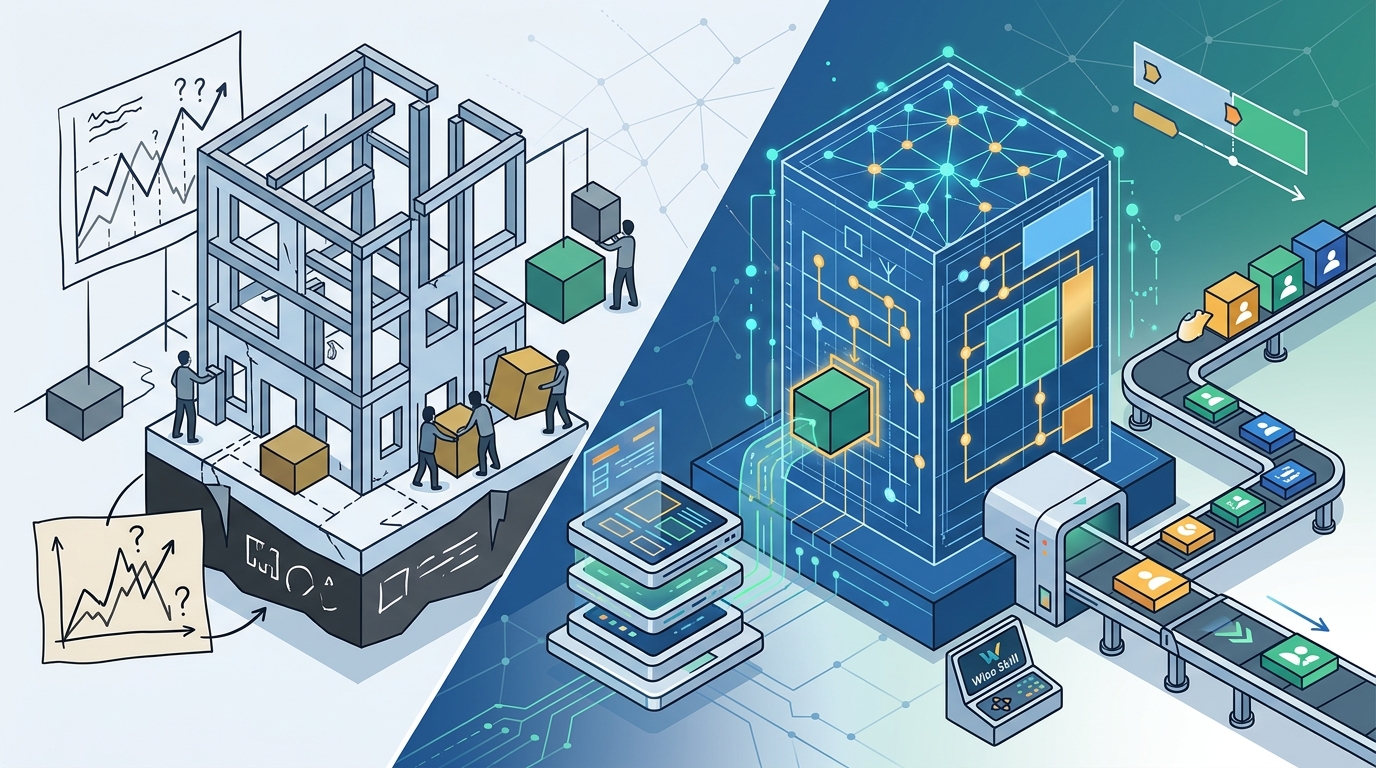
A platform that is difficult to use will be abandoned by HR teams and managers alike. Evaluate the user interface for both administrators and end-users. Can employees easily update their skills? Can managers view team capabilities without navigating complex dashboards? Scalability is also crucial. Ensure the platform can handle your organization's growth without significant performance degradation or cost spikes.
Integration and Ecosystem Fit
No skills intelligence platform operates in a vacuum. It must integrate seamlessly with your existing technology stack. This includes your Applicant Tracking System (ATS), Human Resource Information System (HRIS), and Learning Management System (LMS). Poor integration leads to data silos, which defeats the purpose of having a centralized skills database.
When evaluating vendors, ask about their API capabilities and pre-built connectors. A robust API allows for custom integrations if standard connectors are insufficient. Additionally, consider the data security protocols. Your employee data is sensitive. Ensure the vendor complies with relevant regulations such as GDPR or CCPA. Review their Legal and Privacy policies to understand how they handle data.
Automation and AI Capabilities
Modern platforms leverage artificial intelligence to automate skill extraction and matching. This reduces the manual burden on HR teams. Look for features like automated skill gap analysis, personalized learning recommendations, and predictive hiring insights. These AI-driven features provide the "intelligence" in skills intelligence, turning raw data into strategic action.
Vendor Comparison Matrix
To help you navigate the market, we have compiled a comparison of key platform attributes. This matrix highlights the strengths of different approaches to skills intelligence.
| Platform Type | Primary Strength | Best For | Integration Complexity |
|---|---|---|---|
| Internal Talent Marketplace | Employee Mobility | Organizations focused on retention | Medium |
| External Labor Market Analytics | Market Benchmarking | Strategic Workforce Planning | Low |
| Integrated Skills Platform | End-to-End Visibility | Comprehensive Talent Ops | High |
| Specialized Recruiting Tools | Hiring Efficiency | High-Volume Recruitment | Low |
For a deeper dive into how these platforms impact recruiting outcomes, check out our Demo to see The Wise Skill in action.
Implementation Strategy
Implementing a skills intelligence platform is a change management challenge as much as a technical one. Success depends on how well you engage your stakeholders. Start by defining clear objectives. Are you trying to reduce time-to-hire? Improve internal mobility? Identify future skill needs? Your goals will dictate which features you prioritize.
Begin with a pilot program. Select a specific department or business unit to test the platform. This allows you to refine your data collection processes and gather feedback before a full-scale rollout. Communicate the benefits to employees. Show them how the platform can help them grow their careers and find new opportunities within the company.
Continuous improvement is essential. Regularly audit your skills data for accuracy. Update your ontology as new technologies and roles emerge. Train your HR team on how to interpret the data and make decisions based on it. For more resources, visit our Frequently Asked Questions page.
Key Takeaways
- Data Quality is Critical: The accuracy of your skills ontology directly impacts the reliability of your insights.
- Integration Matters: Seamless connectivity with ATS and HRIS systems prevents data silos and ensures real-time updates.
- Internal Mobility is a Key Driver: Platforms that facilitate internal talent movement significantly reduce recruitment costs.
- AI Enhances Efficiency: Automated skill extraction and matching save hundreds of hours for HR professionals annually.
- Change Management is Essential: Employee adoption requires clear communication and demonstrated value.
- Scalability is Non-Negotiable: Ensure the platform can grow with your organization without performance loss.
- Security Compliance is Mandatory: Verify GDPR and CCPA compliance to protect sensitive employee data.
Frequently Asked Questions
What is the difference between skills mapping and skills intelligence?
Skills mapping is a static snapshot of current capabilities, often done manually. Skills intelligence is a dynamic, data-driven process that continuously updates and analyzes skills data to predict future needs and opportunities.
How long does it take to implement a skills intelligence platform?
Implementation timelines vary based on organizational size and complexity. A pilot program can be launched in 4-8 weeks, while full-scale deployment may take 3-6 months depending on integration requirements.
Can skills intelligence platforms replace traditional recruiting?
No, they augment recruiting by providing deeper insights into candidate fit and internal talent availability. They help recruiters make more informed decisions rather than replacing the human element of hiring.
What are the common challenges in adopting skills intelligence?
Common challenges include data accuracy, employee privacy concerns, and resistance to change. Overcoming these requires strong leadership support and clear communication of benefits.
How does The Wise Skill differ from other platforms?
The Wise Skill focuses on practical recruiting and training outcomes, offering a streamlined approach to skills data that is easy to implement and actionable for HR teams. Learn more on our Faq page.
Is skills intelligence suitable for small businesses?
Yes, small businesses can benefit significantly by identifying skill gaps and leveraging internal talent for growth. Many platforms offer scalable solutions tailored to smaller teams.
What metrics should I track to measure success?
Key metrics include time-to-fill, internal mobility rate, skill gap closure rate, and employee engagement scores related to learning and development.
Next Steps
Choosing the right skills intelligence platform is a strategic investment in your organization's future. By focusing on data accuracy, integration, and user experience, you can build a robust talent strategy that drives growth and innovation. The Wise Skill is ready to help you navigate this journey. Schedule a demo today to see how our platform can transform your recruiting and training processes. Visit our blog for more insights on talent management.