
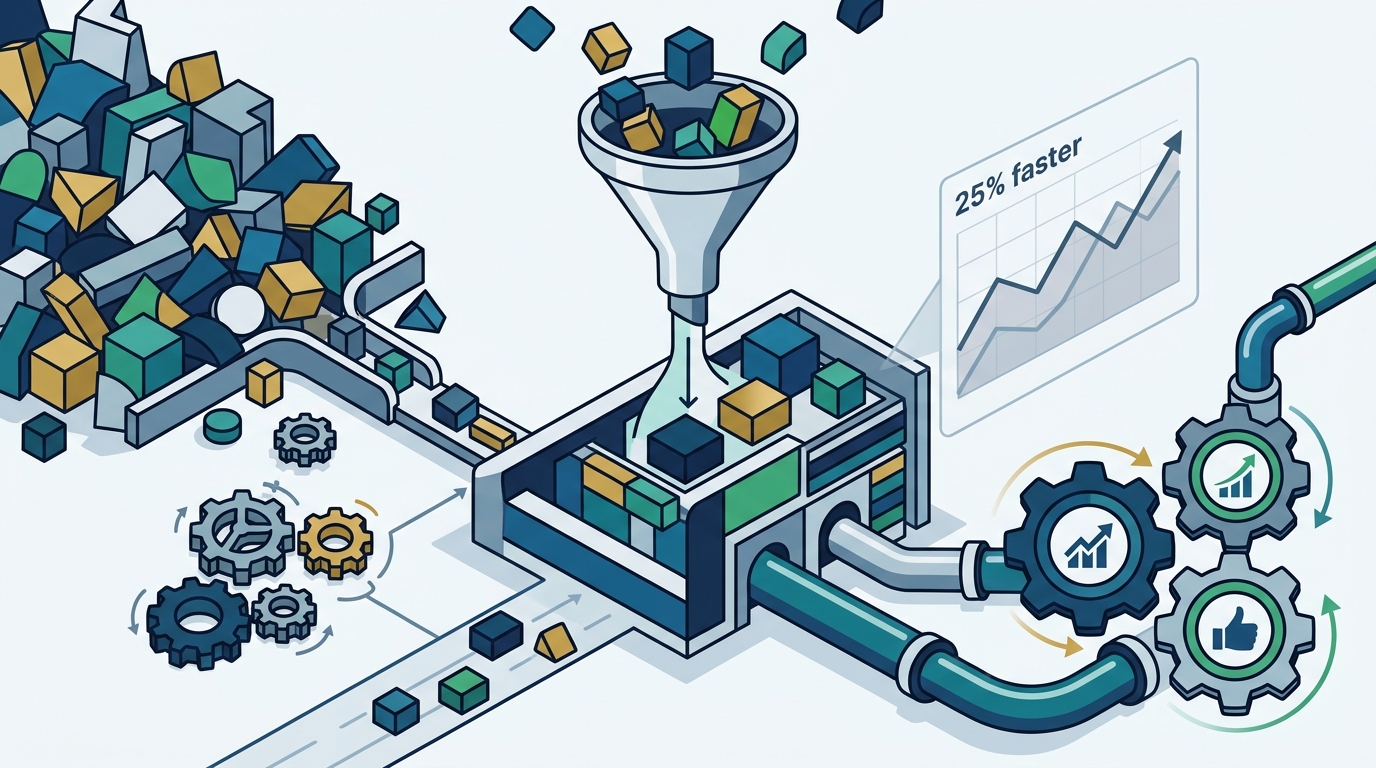
Organizations that fail to map their internal talent capabilities often face critical operational bottlenecks. According to recent workforce analytics, companies with mature skills intelligence frameworks report a 25% faster time-to-fill for critical roles compared to those relying on traditional resume screening. This gap highlights the urgent need for accurate, real-time data mapping. Without a robust system, businesses risk losing top talent to competitors who offer clearer career pathways. The following guide outlines the essential criteria for selecting a platform that aligns with your strategic goals.
Understanding Core Requirements
Before evaluating specific vendors, you must define the primary business problem you are solving. Skills intelligence platforms serve different functions, from internal mobility to external recruitment. Skills intelligence is the systematic process of identifying, categorizing, and analyzing the capabilities within a workforce. This definition underscores the need for precision in your initial requirements gathering.
Consider whether your immediate goal is reducing turnover, upskilling employees, or optimizing hiring. If your focus is internal mobility, prioritize platforms that offer robust employee self-service portals. If your goal is recruitment, look for tools that integrate with applicant tracking systems to enrich candidate profiles. The Wise Skill specializes in recruiting and training solutions that bridge this gap effectively. You can explore their approach to talent strategy to understand how specialized platforms differ from generic HR software.
Define your success metrics early. Are you measuring time-to-productivity, internal promotion rates, or skill gap closure? These metrics will dictate the analytical depth required from your chosen platform. A platform that lacks customizable reporting will fail to demonstrate ROI to executive stakeholders.
Data Accuracy and Mapping
The value of any skills platform hinges entirely on the quality of its underlying data. Skills taxonomies vary wildly across industries, and a one-size-fits-all approach often leads to inaccurate profiling. Skills taxonomy is a structured framework for organizing and classifying workforce capabilities. This structure ensures that data remains consistent and actionable across the organization.
Look for platforms that use artificial intelligence to map skills dynamically. Static lists become obsolete quickly as new technologies emerge. AI-driven mapping allows the system to recognize synonyms and related competencies, such as linking "Python" to "Data Science" or "Automation." This reduces the friction for employees who may not use standard industry terminology.
Verify how the platform handles skill validation. Does it rely solely on self-reporting, or does it incorporate performance data and project history? Self-reporting alone often leads to inflated skill levels. Platforms that combine self-assessment with objective data points provide a more realistic view of organizational capacity. For more insights on effective training methodologies, review the educational resources available on industry best practices.
Integration and Ecosystem
No skills platform operates in isolation. It must communicate seamlessly with your existing HR tech stack. Common integrations include Human Resource Information Systems (HRIS), Learning Management Systems (LMS), and Applicant Tracking Systems (ATS). HRIS integration is the technical connection that allows skills data to flow between core human resources software. This connectivity ensures that skills profiles are always up-to-date with employment status and role changes.
Evaluate the API capabilities of the platform. Open APIs allow for custom integrations if standard connectors are insufficient. This flexibility is crucial for organizations with unique legacy systems or complex data architectures. Poor integration leads to data silos, which defeats the purpose of having a centralized skills database.
Consider the scalability of the integration. As your organization grows, the volume of data will increase exponentially. Ensure the platform can handle large datasets without performance degradation. A demo of the platform's integration capabilities can reveal potential bottlenecks before you commit. Schedule a product demonstration to see how the system handles real-world data flows.
User Experience and Adoption
Even the most powerful platform will fail if employees refuse to use it. User experience (UX) is a critical factor in adoption rates. The interface must be intuitive for both HR professionals and individual contributors. Complex onboarding processes lead to low engagement and incomplete data.
Look for features that encourage regular interaction. Gamification, personalized learning paths, and clear career visualizations can drive engagement. Employees need to see the immediate value in updating their skills profiles. If the process feels like a chore, they will neglect it.
Mobile accessibility is non-negotiable in today's hybrid work environment. Employees should be able to update their skills and view opportunities from any device. A platform that lacks mobile support will miss a significant portion of your workforce. Check the platform's mobile app reviews and functionality before making a decision.
Security and Compliance
Skills data is sensitive personal information. It includes details about your employees' capabilities, career aspirations, and performance history. Therefore, security and compliance are paramount. Data privacy compliance refers to the adherence to laws and regulations governing the handling of personal information. Violations can result in severe legal penalties and reputational damage.
Ensure the platform complies with relevant regulations such as GDPR, CCPA, and SOC 2. These standards dictate how data is stored, processed, and shared. Verify that the vendor offers robust access controls, allowing you to define who can see what data. Granular permissions are essential for maintaining trust within the organization.
Review the vendor's data retention policies. How long is skills data stored? Can employees request deletion of their data? Transparency in these areas is a sign of a mature and trustworthy vendor. For more information on data handling standards, refer to the legal guidelines provided by industry leaders.
Comparing Platform Options
When evaluating vendors, use a structured comparison matrix. Focus on the following key dimensions: data accuracy, integration capabilities, user experience, security, and cost. The table below summarizes the typical characteristics of leading platform types.
| Platform Type | Primary Strength | Best For | Key Consideration |
|---|---|---|---|
| Specialized Skills Platform | Deep skills taxonomy and AI mapping | Organizations focused on internal mobility | Requires dedicated implementation support |
| HRIS Add-on | Seamless data sync with core HR | Companies already using major HR suites | May lack depth in skills analytics |
| Learning Management System | Direct link to training content | Teams prioritizing upskilling | Skills data may be limited to course completion |
| Recruitment Tool | External candidate matching | High-volume hiring organizations | Less focus on internal employee development |
Specialized platforms like The Wise Skill often provide deeper insights into recruiting and training workflows. They are designed to handle the complexity of skills mapping without the bloat of generalist HR software. Evaluate each option against your specific business case. Avoid choosing a platform based solely on brand recognition.
Key Takeaways
- Data Quality is Paramount: AI-driven mapping reduces errors and keeps skills taxonomies current.
- Integration is Critical: Seamless connectivity with HRIS and ATS ensures data accuracy and workflow efficiency.
- Adoption Drives ROI: Intuitive user experience and mobile accessibility are essential for employee engagement.
- Security Cannot Be Compromised: Compliance with GDPR and CCPA is mandatory for handling sensitive workforce data.
- Define Clear Metrics: Establish success criteria like time-to-fill or internal promotion rates before selection.
- Specialized Solutions Offer Depth: Platforms focused on skills intelligence provide more accurate mapping than generalist tools.
- Vendor Support Matters: Strong implementation and training support accelerate time-to-value.
Frequently Asked Questions
What is the difference between skills inventory and skills intelligence?
A skills inventory is a static list of employee capabilities, often collected through surveys. Skills intelligence is a dynamic, data-driven approach that continuously updates and analyzes these capabilities using AI and real-time data sources.
How long does it take to implement a skills intelligence platform?
Implementation timelines vary based on organization size and data complexity. Typically, initial setup takes 4 to 8 weeks, with full adoption and data maturity taking 3 to 6 months. The Wise Skill offers a streamlined demo process to estimate your specific timeline.
Can skills intelligence platforms integrate with existing HR software?
Yes, most modern platforms offer robust APIs and pre-built connectors for major HRIS and ATS providers. This integration ensures that skills data remains synchronized with employee records and job descriptions.
How do skills platforms ensure data privacy?
Platforms ensure privacy through encryption, access controls, and compliance with regulations like GDPR and CCPA. Employees typically have control over their own data visibility and can update or delete their information.
What are the key benefits of using a skills intelligence platform?
Key benefits include reduced time-to-hire, improved employee retention through clear career paths, better talent allocation, and data-driven decision-making for workforce planning.
Is skills intelligence only for large enterprises?
No, mid-sized companies also benefit significantly. Smaller organizations can use skills intelligence to compete for talent by demonstrating clear growth opportunities and efficient internal mobility.
How is the accuracy of skills data validated?
Accuracy is validated through a combination of self-assessment, manager validation, and objective data points like project history and certification records. AI helps normalize this data to reduce bias.
What role does AI play in skills mapping?
AI automates the classification of skills, identifies synonyms, and predicts future skill needs based on market trends. This reduces the manual effort required to maintain an accurate skills taxonomy.
Next Steps
Selecting the right skills intelligence platform is a strategic investment in your organization's future. By focusing on data accuracy, integration, user experience, and security, you can choose a solution that drives real value. Start by defining your core requirements and evaluating vendors against these criteria. For a deeper understanding of how specialized recruiting and training solutions can transform your workforce, visit The Wise Skill to explore our comprehensive approach to talent management.