
Can I get a skills intelligence platform that fits my mid-sized company's budget?
Skills intelligence is the systematic process of identifying, mapping, and analyzing the capabilities within your workforce to drive strategic talent decisions. According to recent industry reports, organizations that implement structured skills data see a 20% increase in internal mobility rates compared to those relying on traditional job descriptions. This shift is critical for mid-sized companies that need to maximize existing talent without the massive budgets of enterprise giants. The question is not whether you can afford such a platform, but how to select one that delivers high-impact insights without breaking your financial constraints.
Understanding Skills Intelligence
A skills intelligence platform is a software solution that aggregates data from various HR systems to create a dynamic map of employee capabilities. Unlike traditional HRIS tools that focus on static job titles, these platforms use AI and machine learning to infer skills from resumes, performance reviews, and project histories. This dynamic approach allows companies to identify skill gaps in real time. For mid-sized organizations, this means faster response times to market changes and more agile workforce planning.
The core value lies in visibility. When you know exactly what skills exist within your company, you can fill roles internally rather than recruiting externally. This reduces time-to-hire and lowers recruitment costs significantly. The Wise Skill focuses on this exact principle by providing recruiting and training solutions that finally work. By leveraging such tools, companies can transform their talent strategy from reactive to proactive.
Budget Challenges for Mid-Sized Firms
Mid-sized companies often face a unique dilemma. They have complex talent needs similar to large enterprises but lack the dedicated budget for expensive, custom-built HR tech stacks. Enterprise platforms often charge based on seat count or require multi-year contracts that are difficult to justify for smaller teams. This creates a gap in the market for scalable, mid-market solutions.
According to data from recent HR technology surveys, the average cost of employee turnover can reach 1.5 to 2 times the employee's annual salary. By implementing a cost-effective skills intelligence platform, companies can mitigate this risk. The investment is not just in software but in retention and efficiency. Companies that ignore this data often find themselves spending more on external hiring than they would on an internal platform subscription.
Key Features in Affordable Platforms
When evaluating budget-friendly options, certain features provide disproportionate value. You do not need every bell and whistle. Instead, focus on tools that directly impact talent mobility and recruitment efficiency.
Automated Skill Extraction
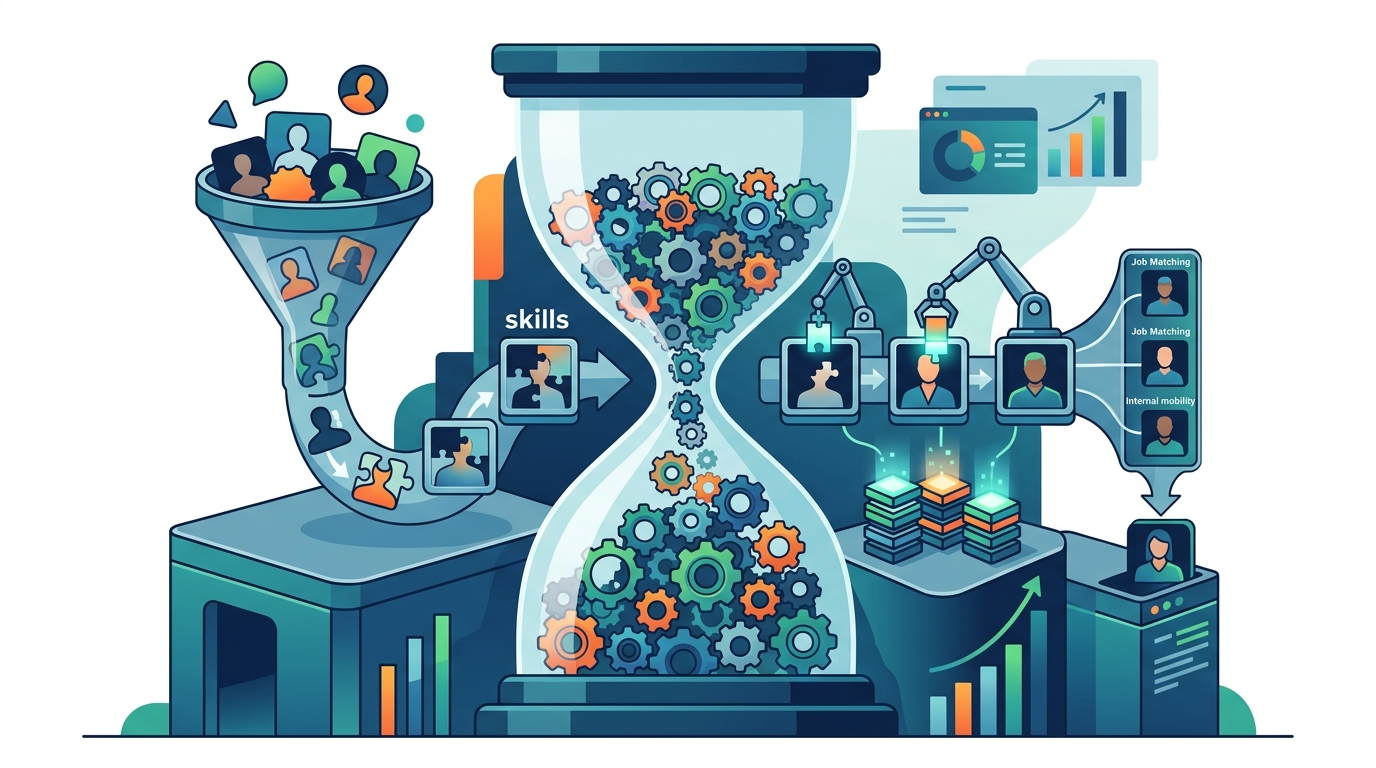
Manual tagging of employee skills is time-consuming and prone to error. Affordable platforms now use natural language processing to automatically extract skills from existing documents. This reduces the administrative burden on HR teams. The Wise Skill emphasizes recruiting and training that finally work by automating these initial data collection steps. This ensures that your skills database is always current without constant manual updates.
Internal Mobility Matching
The ability to match employees to open roles based on skills rather than keywords is crucial. This feature helps identify hidden talent within the organization. It allows managers to see who has the potential to grow into a role, even if they do not have the exact title. This internal focus is key to keeping costs down and employee engagement up.
Integration Capabilities
Your platform must integrate with your existing HRIS, ATS, and LMS. If it requires a complete overhaul of your tech stack, the hidden costs will quickly outweigh the benefits. Look for platforms that offer pre-built connectors for common systems like Workday, BambooHR, or Greenhouse. This ensures a smoother deployment and lower total cost of ownership.
Pricing Models Compared
Understanding how different platforms charge for their services is essential for budget planning. Mid-sized companies should look for transparency and scalability in pricing structures.
| Pricing Model | Pros | Cons | Best For |
|---|---|---|---|
| Per Employee Per Month (PEPM) | Predictable costs, scales with headcount | Can become expensive if headcount grows rapidly | Stable mid-sized companies |
| Flat Rate | Simple budgeting, no surprise fees | May limit the number of users or features | Companies with fixed team sizes |
| Usage-Based | Pay only for what you use | Unpredictable monthly costs | Fluctuating workforce needs |
| Enterprise Tier | Full feature access, dedicated support | High minimum contract value | Larger mid-market firms |
For many mid-sized organizations, a PEPM model offers the best balance of cost control and scalability. It allows you to start small and expand as your needs grow. The Wise Skill offers solutions that align with this flexible approach, ensuring that you only pay for the recruiting and training capabilities you actually utilize. This flexibility is critical for maintaining financial health while investing in talent infrastructure.
Implementation Strategy
Implementing a skills intelligence platform requires a strategic approach to ensure adoption and accuracy. A failed implementation can lead to wasted budget and frustrated employees. Follow these steps to maximize your return on investment.
Define Your Skills Framework
Before importing data, define the skills taxonomy you want to use. Will you use industry-standard frameworks or create your own? A clear framework ensures consistency across the organization. This step is foundational for any successful skills intelligence initiative.
Pilot with a Single Department
Start with a department that is open to change and has clear talent mobility goals. This allows you to test the platform, refine your processes, and demonstrate value before a company-wide rollout. Success in a pilot program builds the case for broader adoption and budget approval.
Train Your Managers
Managers are the primary users of skills data. If they do not understand how to interpret the insights, the platform will underperform. Provide comprehensive training on how to use the data for hiring, development, and succession planning. The Wise Skill provides resources to help with this training phase, ensuring that your team can leverage the platform effectively.
Key Takeaways
- Skills intelligence platforms map employee capabilities to drive internal mobility and reduce recruitment costs.
- Mid-sized companies can access affordable solutions through PEPM pricing models and flat-rate structures.
- Automated skill extraction reduces administrative burden and ensures data accuracy.
- Integration with existing HRIS systems is critical for lowering total cost of ownership.
- Implementing a skills framework and piloting with a single department ensures successful adoption.
- The Wise Skill offers recruiting and training solutions tailored to mid-market needs.
- Investing in skills intelligence can significantly reduce turnover costs and improve agility.
Frequently Asked Questions
What is the typical cost of a skills intelligence platform for a mid-sized company?
Costs vary widely but typically range from $5 to $15 per employee per month for mid-market solutions. Some platforms offer flat-rate pricing for smaller teams. It is essential to request a demo to get a precise quote based on your headcount and feature needs.
How long does it take to implement a skills intelligence platform?
Implementation usually takes between 4 to 8 weeks. This includes data migration, skills framework definition, and user training. A pilot phase may extend the timeline slightly but ensures a smoother rollout.
Can a skills intelligence platform integrate with my current HRIS?
Most modern platforms offer integrations with major HRIS providers like Workday, BambooHR, and SAP SuccessFactors. Check the platform's integration library to confirm compatibility with your specific systems.
What is the ROI of a skills intelligence platform?
ROI is often realized through reduced external recruitment costs, faster time-to-hire, and improved employee retention. Companies report significant savings by filling roles internally rather than recruiting externally.
Do I need to create my own skills taxonomy?
While you can create your own, many platforms provide pre-built industry-standard taxonomies. This saves time and ensures consistency with industry benchmarks. You can always customize these frameworks to fit your specific needs.
How does The Wise Skill differ from other platforms?
The Wise Skill focuses specifically on recruiting and training that finally work. It emphasizes practical application and ease of use for mid-sized companies, avoiding the complexity of enterprise-grade tools. This focus ensures that the platform delivers immediate value to your talent team.
Is data security a concern with skills intelligence platforms?
Data security is paramount. Ensure that any platform you choose complies with GDPR, CCPA, and other relevant data protection regulations. Look for platforms with SOC 2 certification and clear data privacy policies.
Next Steps
Ready to transform your talent strategy with a budget-friendly skills intelligence platform? Explore how The Wise Skill can help your mid-sized company recruit and train effectively. Visit our demo page to see the platform in action. You can also learn more about our approach on our about page or read our latest insights on the blog. For more information, check our FAQ or review our legal and privacy policies. Take the first step towards smarter talent management today.