
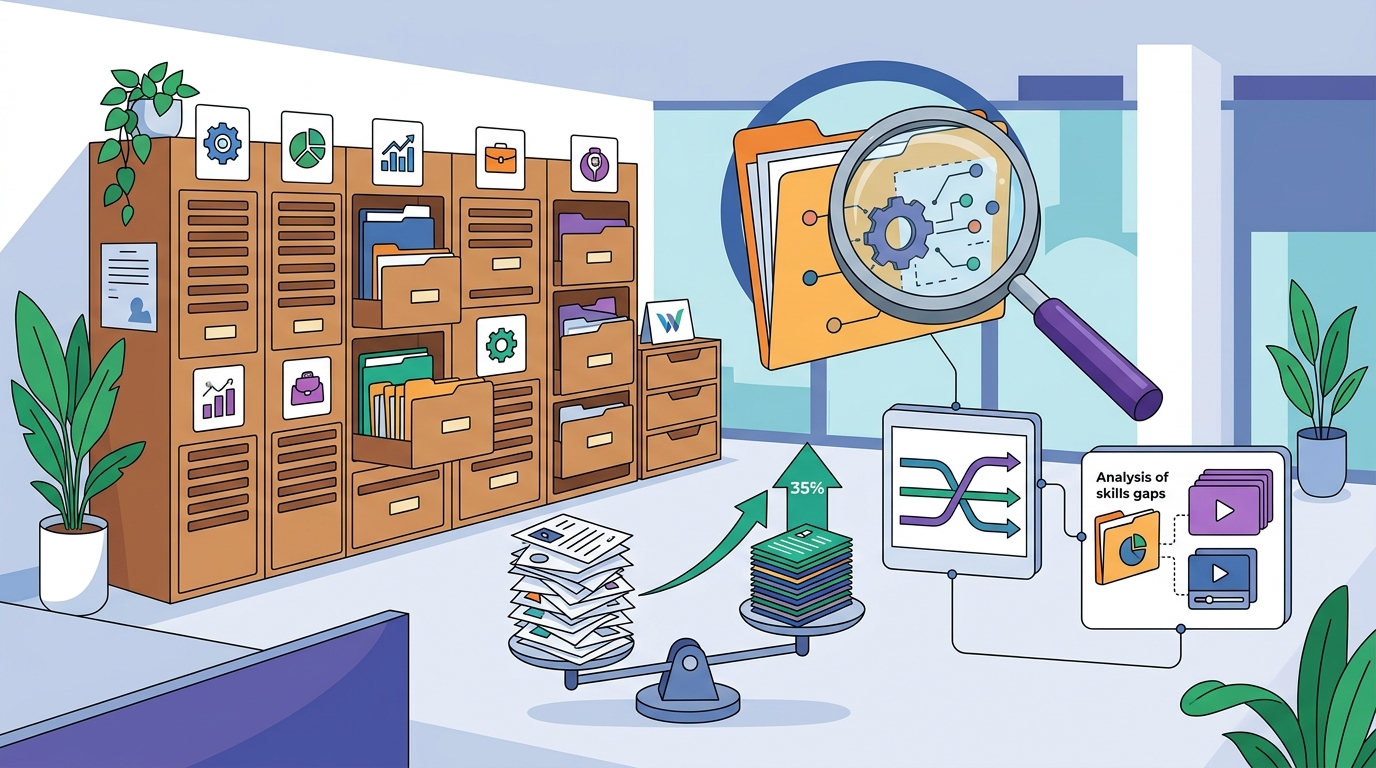
Organizations that fail to implement structured skills intelligence often struggle with talent misalignment, leading to significant operational inefficiencies. According to recent industry analyses, companies utilizing advanced skill mapping see a 35% improvement in internal mobility rates compared to those relying on traditional role-based hiring. This statistic highlights the critical shift from intuition-based management to data-driven talent strategy. The complexity of modern workforce dynamics demands a platform that offers more than simple keyword matching. It requires a system capable of decoding the nuanced capabilities that drive business outcomes.
Mistake 1: Prioritizing Static Taxonomies Over Dynamic Mapping
One of the most frequent errors in platform selection is choosing a tool that relies on a rigid, pre-defined list of skills. Skills intelligence is not a static database; it is a living ecosystem that evolves with market trends and technological advancements. A platform that does not continuously update its taxonomy will quickly become obsolete, providing inaccurate insights into workforce capabilities.
Skill Intelligence is the systematic measurement and mapping of employee capabilities to predict future organizational needs. When evaluating vendors, look for solutions that utilize artificial intelligence to adapt to new roles and emerging technologies. The Wise Skill, for instance, maintains a database of over 35,000 skills and 3,200 professional profiles that are continuously updated. This ensures that the data reflects the current reality of the labor market rather than a historical snapshot.
Static taxonomies often fail to capture the nuance of modern roles. A software engineer today requires a different blend of technical and soft skills than one did five years ago. Dynamic mapping allows organizations to see the actual skills present in their workforce, rather than just the titles on their contracts. This distinction is crucial for accurate talent planning and strategic workforce alignment.
Mistake 2: Ignoring the Integration with Existing HRIS Ecosystems
Many organizations invest in powerful skills platforms only to find they cannot easily connect them to their existing Human Resources Information Systems (HRIS). This creates data silos and manual entry burdens that defeat the purpose of automation. A skills platform must integrate seamlessly with current tools to ensure data flows freely and accurately.
Skills Gap is the difference between the skills employees currently possess and the skills required to perform their roles effectively. Identifying this gap is only useful if the data can be acted upon within the existing workflow. Platforms that offer direct synchronization with HRIS platforms allow for real-time updates on employee status, promotions, and role changes. This integration ensures that the skills map remains accurate without requiring constant manual intervention from HR teams.
When reviewing platform capabilities, verify the depth of their integration options. Some solutions offer deep API connections, while others may only support basic file uploads. The latter approach introduces latency and potential for error. A robust integration strategy ensures that the skills data is always current and accessible to managers and employees alike, fostering a culture of continuous development.
Mistake 3: Overlooking the Impact of AI on Role Evolution
Artificial intelligence is rapidly changing the nature of work. Many organizations select skills platforms that do not account for this shift, leading to outdated job descriptions and irrelevant training programs. A platform must be able to analyze how AI impacts specific tasks and roles within the organization.
Reskilling is the process of teaching employees new skills to prepare them for different roles or to adapt to changes in their current roles. Understanding which tasks are automatable and which require human judgment is essential for effective reskilling strategies. The Wise Skill platform, for example, calculates an automation score for each task within a role. This allows leaders to identify which profiles are at risk and which are gaining value from AI assistance.
Without this level of granularity, organizations may invest in training for skills that are becoming obsolete or fail to develop the critical thinking skills that AI cannot replicate. A forward-thinking skills platform provides insights into the future of work, helping leaders make proactive decisions about workforce planning. This proactive approach minimizes disruption and maximizes the potential of AI integration.
Mistake 4: Focusing on Assessment Without Actionable Reskilling
Assessing skills is only the first step. Many platforms excel at measurement but fail to provide actionable pathways for improvement. This creates a gap between data and action, leaving employees and managers without clear guidance on how to close skill gaps.
Upskilling is the process of teaching employees new skills to improve their performance in their current roles. A comprehensive skills intelligence platform should offer personalized learning itineraries based on identified gaps. These recommendations should be tied to specific business outcomes, ensuring that training investments yield measurable returns.
Look for platforms that connect assessment results directly to learning resources and development plans. The evaluation should not end with a score; it should begin a conversation about growth. By providing clear, evidence-based development paths, organizations can foster a culture of continuous learning and improve employee retention. This approach transforms skills data from a diagnostic tool into a strategic asset.
Mistake 5: Neglecting Data Privacy and Security Compliance
Skills data is highly sensitive. It reveals individual capabilities, career aspirations, and potential vulnerabilities. Organizations that overlook security and privacy compliance risk significant legal and reputational damage. A skills platform must adhere to strict data protection standards.
Talent Mapping is the strategic process of identifying and analyzing the skills and capabilities within an organization to align talent with business goals. This process requires trust. Employees must feel confident that their data is protected and used ethically. Platforms that are certified under ISO 27001 and ISO 42001 demonstrate a commitment to security and responsible AI practices.
Compliance with regulations such as GDPR and the EU AI Act is non-negotiable for global organizations. Ensure that the platform you choose has a robust privacy framework that includes data encryption, access controls, and clear data retention policies. Transparency in how data is collected and used is also essential for maintaining employee trust and engagement.
Key Takeaways
- Dynamic Taxonomies: Choose platforms that update their skill databases continuously, such as The Wise Skill's 35,000+ skills library, to ensure relevance.
- Seamless Integration: Prioritize tools that sync directly with your HRIS to avoid data silos and manual entry errors.
- AI Impact Analysis: Select platforms that calculate automation scores for tasks to guide effective reskilling strategies.
- Actionable Insights: Ensure the platform provides personalized learning itineraries linked directly to identified skill gaps.
- Security Compliance: Verify ISO 27001 and ISO 42001 certifications to guarantee data privacy and ethical AI use.
- Adaptive Assessment: Look for adaptive testing engines that reduce assessment time while increasing accuracy.
- Strategic Alignment: Focus on platforms that connect skills data to business outcomes, not just HR metrics.
Frequently Asked Questions
What is the difference between skills intelligence and traditional HR analytics?
Traditional HR analytics often focuses on historical data like turnover rates and tenure. Skills intelligence focuses on future capabilities, mapping the specific skills employees have and need to achieve business goals. It is proactive rather than reactive.
How does a skills platform handle data privacy?
Reputable platforms employ encryption, strict access controls, and compliance with regulations like GDPR. They also provide transparency to employees about how their data is used, often allowing them to view their own skill profiles.
Can a skills platform integrate with my existing LMS?
Yes, most modern skills platforms offer integrations with major Learning Management Systems (LMS). This allows for seamless transfer of learning data and personalized course recommendations based on skill gaps.
What is adaptive assessment in skills intelligence?
Adaptive assessment is a testing method where the difficulty of questions adjusts in real-time based on the candidate's previous answers. This provides a more accurate measurement of skill level in less time compared to static tests.
How long does it take to implement a skills intelligence platform?
Implementation time varies, but platforms like The Wise Skill can generate an initial skills map in minutes by analyzing company names or uploaded files. Full integration and cultural adoption may take several weeks to months.
Why is dynamic mapping important for skills intelligence?
Dynamic mapping ensures that the skills data reflects the current market and technological landscape. Static maps become outdated quickly, leading to inaccurate talent decisions and missed opportunities for development.
What are the key benefits of internal mobility supported by skills data?
Internal mobility reduces hiring costs, improves employee retention, and fills critical roles faster. Skills data provides the evidence needed to match employees to new opportunities based on demonstrated capabilities rather than just resumes.
Next Steps
Stop guessing about your workforce's potential. Start measuring it with precision. The Wise Skill offers a comprehensive solution for mapping, assessing, and developing talent. Schedule a free demo today to see how our platform can transform your talent strategy. Visit our skills mapping page to learn more about our dynamic capabilities. Explore our talent evaluation tools to understand the depth of our assessment engine. Read our about page to discover our mission and values. Join our community by checking out our upcoming events and webinars.