
The global skills intelligence market is projected to grow at a compound annual growth rate of over 25% through 2030, driven by the urgent need for organizations to align workforce capabilities with rapid technological shifts. According to recent industry reports, companies that fail to map their internal talent against strategic business needs lose an average of 15% in productivity due to skill gaps. This statistic underscores why modern enterprises are moving away from traditional, intuition-based HR practices toward data-driven skills intelligence platforms. Understanding the financial implications of these tools is no longer optional; it is a core component of strategic workforce planning. (Qui nes somos Skill)
Understanding Skills Intelligence
Skills intelligence is the systematic process of identifying, measuring, and managing the capabilities of a workforce to align with organizational goals. Unlike traditional job descriptions that focus on titles and tenure, skills intelligence focuses on the actual tasks and competencies required to perform work. This shift allows organizations to see talent as a dynamic asset rather than a static resource. (Conecta lo que tu)
At its core, a skills intelligence platform uses artificial intelligence to map internal talent against external market trends. This process involves three critical steps: defining the skills taxonomy, measuring current employee proficiency, and identifying gaps between current capabilities and future business needs. The result is a living map of talent that enables proactive rather than reactive workforce management. (Skill Intelligence Blog Insights)
Organizations leveraging these platforms report significant improvements in internal mobility and reduced time-to-hire for critical roles. By understanding the true cost of skill gaps, leaders can make informed decisions about training investments versus external recruitment. This clarity is essential for maintaining competitive advantage in a rapidly evolving digital economy. (Identificar Gaps de Skills)
Pricing Models Explained
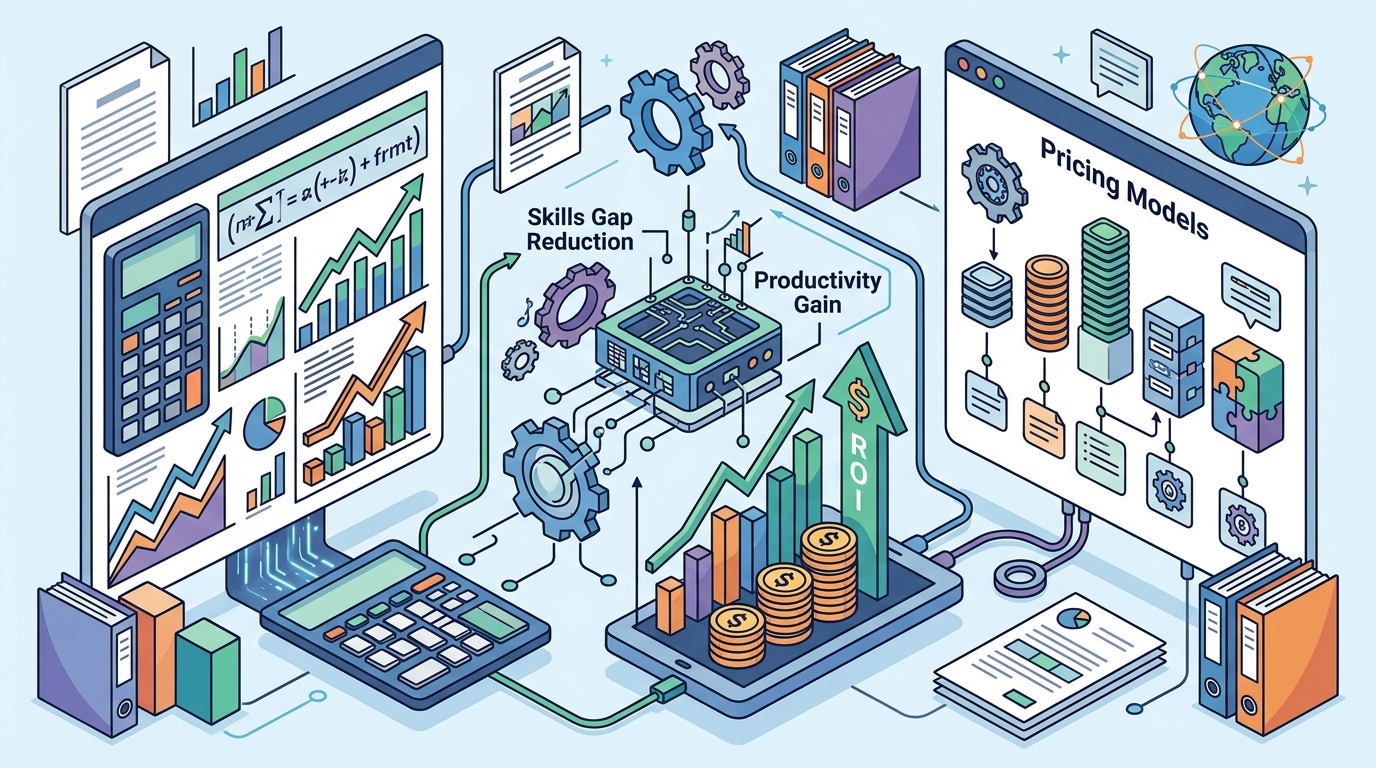
When evaluating skills intelligence platforms, it is crucial to understand the various pricing structures available. Most enterprise-grade solutions offer flexible models designed to scale with organizational growth. The primary models include per-seat licensing, usage-based pricing, and value-based pricing.
Per-Seat Licensing is the most common model for traditional HR software. In this structure, the organization pays a fixed annual fee for each active user or employee profile. This model provides predictable costs but can become expensive for large enterprises with thousands of employees. It is best suited for organizations with stable headcounts and clear adoption rates.
Usage-Based Pricing charges based on the volume of assessments, evaluations, or data points processed. This model is ideal for organizations with fluctuating workforce sizes or those conducting periodic talent audits. It aligns costs directly with usage, ensuring that you only pay for the value you consume. For example, a company might pay per assessment completed, allowing for flexible scaling during peak hiring seasons.
Value-Based Pricing ties the cost to the strategic outcomes delivered by the platform. This model is often used by advanced platforms that offer AI-driven agents and automated workflows. The price reflects the complexity of the skills taxonomy, the depth of integration with existing HRIS systems, and the level of support provided. This approach is suitable for enterprises seeking a comprehensive talent engine rather than a simple assessment tool.
Additionally, many providers offer tiered packages that include varying levels of feature access. Basic tiers may include standard skills mapping and reporting, while premium tiers offer advanced AI agents, custom taxonomy development, and dedicated customer success management. It is essential to evaluate which features are critical to your specific use case before committing to a plan.
Calculating ROI
Return on Investment (ROI) for skills intelligence platforms is derived from multiple tangible and intangible benefits. The primary drivers include reduced recruitment costs, increased internal mobility, and improved employee retention. To calculate ROI accurately, organizations must quantify these benefits against the total cost of ownership, including licensing, implementation, and training.
Reduced Recruitment Costs are often the most immediate financial benefit. By identifying internal candidates for open roles, companies can significantly lower external hiring fees, which typically range from 20% to 25% of an annual salary. For a mid-level role with a $100,000 salary, this translates to a savings of $20,000 to $25,000 per hire. If a platform enables just five internal fills per year, the savings alone can cover a significant portion of the platform cost.
Increased Internal Mobility contributes to ROI by reducing time-to-productivity for new roles. Internal transfers require less onboarding and training than external hires, leading to faster ramp-up times. Studies show that internal hires reach full productivity 50% faster than external hires. This acceleration directly impacts project timelines and revenue generation.
Improved Employee Retention is another critical factor. Employees who see a clear path for growth and skill development are less likely to leave. The cost of replacing an employee can range from 50% to 200% of their annual salary, depending on the role. By using skills intelligence to create personalized development plans, organizations can reduce turnover and retain institutional knowledge.
To model ROI, use the following formula: ROI = (Net Benefits - Total Cost) / Total Cost. Net benefits include savings from reduced recruitment, lower turnover, and increased productivity. Total cost includes licensing, implementation, and ongoing maintenance. A positive ROI indicates that the platform is generating more value than it costs to operate.
The Cost of Inaction
Choosing not to implement a skills intelligence platform carries significant financial risks. The primary cost is the inefficiency of talent management. Without data-driven insights, organizations rely on intuition, leading to misaligned hiring and training investments. This misalignment results in wasted resources and missed opportunities for growth.
According to industry analysis, companies that do not actively manage skills gaps face a 30% higher risk of operational disruption due to talent shortages. This risk is amplified in industries undergoing rapid digital transformation, where the demand for new skills outpaces the supply. The cost of delayed reskilling initiatives can exceed the cost of the platform itself.
Furthermore, the inability to demonstrate talent readiness to stakeholders can impact investor confidence and market valuation. In an era where ESG (Environmental, Social, and Governance) criteria are increasingly important, a lack of structured talent development can be viewed as a governance failure. This reputational risk can have long-term financial consequences.
Organizations that ignore skills intelligence also struggle with compliance and security. Without a clear map of who has the necessary certifications and skills, companies risk non-compliance with industry regulations. This exposure can lead to fines, legal fees, and operational shutdowns. Proactive skills management mitigates these risks by ensuring that critical roles are always filled by qualified individuals.
Platform Comparison
When selecting a skills intelligence platform, it is essential to compare key features, pricing, and integration capabilities. The table below summarizes the core differences between common platform types.
| Feature | Traditional HRIS | Specialized Skills Platform | AI-Driven Talent Engine |
|---|---|---|---|
| Skills Mapping | Manual, static | Automated, dynamic | AI-generated, contextual |
| Assessment Method | Self-reported | Adaptive testing | Continuous, passive data |
| Integration | Limited | Standard APIs | Deep, bidirectional |
| ROI Focus | Administrative efficiency | Talent visibility | Strategic workforce agility |
| Scalability | Low | Medium | High |
Specialized skills platforms offer a significant advantage over traditional HRIS systems by providing real-time data on employee capabilities. This data is crucial for making informed decisions about training and development. AI-driven talent engines take this a step further by automating the entire talent lifecycle, from mapping to reskilling.
When comparing platforms, consider the depth of the skills taxonomy. A comprehensive taxonomy that covers both technical and soft skills is essential for accurate mapping. Additionally, evaluate the platform's ability to integrate with your existing tech stack. Seamless integration ensures that data flows freely between systems, reducing manual work and improving data accuracy.
Key Takeaways
- Market Growth: The skills intelligence market is expanding rapidly, with a CAGR exceeding 25% through 2030.
- Pricing Flexibility: Platforms offer per-seat, usage-based, and value-based pricing to suit different organizational needs.
- Recruitment Savings: Internal mobility can reduce hiring costs by 20-25% per role.
- Retention Impact: Clear skill development paths significantly reduce employee turnover and associated replacement costs.
- Risk Mitigation: Proactive skills management prevents operational disruptions and compliance failures.
- AI Advantage: AI-driven platforms provide deeper insights and automation compared to traditional HRIS tools.
- Strategic Alignment: Skills intelligence aligns workforce capabilities with business strategy, driving long-term growth.
Frequently Asked Questions
How is ROI calculated for skills intelligence platforms?
ROI is calculated by subtracting the total cost of ownership from the net benefits, which include savings from reduced recruitment, lower turnover, and increased productivity, then dividing by the total cost.
What are the common pricing models for these platforms?
Common pricing models include per-seat licensing, usage-based pricing, and value-based pricing, each offering different levels of scalability and cost predictability.
How does skills intelligence reduce recruitment costs?
By identifying internal candidates for open roles, skills intelligence reduces the need for external hiring, which typically costs 20-25% of an annual salary.
Is skills intelligence suitable for small businesses?
Yes, many platforms offer scalable pricing models that allow small businesses to start with basic features and expand as they grow.
How does AI improve skills mapping?
AI automates the mapping process by analyzing job descriptions, performance data, and market trends to create a dynamic and accurate skills taxonomy.
What is the cost of not implementing skills intelligence?
The cost includes inefficiencies in talent management, higher recruitment expenses, increased turnover, and potential compliance risks.
How do I choose the right platform?
Evaluate platforms based on their skills taxonomy depth, integration capabilities, pricing model, and alignment with your strategic workforce goals.
Next Steps
Ready to transform your workforce strategy with data-driven insights? Discover how The Wise Skill can help you map skills, evaluate talent, and close critical gaps in minutes. Schedule a free demo today to see the platform in action and learn how it can drive measurable ROI for your organization.