
Organizations often lose millions in productivity and retention by failing to recognize the skills already present within their workforce. According to recent industry data, companies that effectively leverage internal talent mobility see a 50% increase in employee engagement and a significant reduction in hiring costs. This guide explains how to move from intuition-based management to evidence-based talent discovery using modern skill intelligence platforms. (Qui nes somos Skill)
Understanding Skill Intelligence
Traditional HR platforms rely on static job descriptions and resumes, which are often outdated by the time they are uploaded. Skill intelligence flips this model by focusing on what employees can actually do, rather than what they have done in the past. This approach allows organizations to see the real capabilities of their workforce in real-time.
Skill intelligence is the systematic measurement and mapping of employee capabilities against business needs. It replaces subjective performance reviews with objective, data-driven insights. By using this framework, HR leaders can identify high-potential employees who might otherwise be overlooked.
When you shift from role-based to skill-based management, you create a more agile organization. Employees are no longer confined to rigid job titles. Instead, they are viewed as a collection of assets that can be deployed where they are needed most. This flexibility is critical in today's rapidly changing business environment.
Step 1: Build a Dynamic Skill Taxonomy
The foundation of any talent surfacing strategy is a comprehensive and accurate skill taxonomy. Without a common language, HR and business leaders cannot effectively communicate about talent needs. Building this taxonomy manually is time-consuming and prone to error.
Start by defining the core skills required for your organization's strategic goals. Use AI-driven tools to automate the creation of this taxonomy. These tools can analyze job descriptions, industry standards, and internal data to propose a relevant skill set. This process ensures that your taxonomy is both comprehensive and current.
Once the initial taxonomy is created, involve your team in the validation process. This collaborative approach ensures buy-in and accuracy. The Wise Skill platform allows you to define the knowledge and skills that your strategy demands, contrasting them with evaluation evidence. This step is crucial for ensuring that the skills you value are the ones you actually measure.
A living taxonomy evolves with the market. It is not a static document but a dynamic framework that adapts to new technologies and business needs. Regular updates keep your talent strategy aligned with your organizational objectives.
Step 2: Evaluate Teams with Adaptive Assessments
With a taxonomy in place, the next step is to measure the actual skills of your employees. Traditional assessments are often lengthy and generic, leading to low engagement and inaccurate results. Adaptive assessments solve this problem by tailoring questions to the individual's level in real-time.
Adaptive assessments are evaluations that adjust question difficulty based on the candidate's previous answers. This method reduces testing time while increasing precision. It provides a clear picture of each employee's proficiency level without the fatigue associated with long exams.
Implement these assessments across your organization to gather baseline data. The results should be shared with employees, providing them with a clear development plan. This transparency builds trust and encourages continuous learning. Employees appreciate knowing exactly where they stand and what they need to improve.
The data collected from these assessments creates a detailed profile of your workforce. You can identify high performers, those who are ready for promotion, and those who need additional support. This information is invaluable for making fair and informed HR decisions.
Step 3: Map Skills Gaps and Opportunities
Once you have evaluated your teams, you can identify the gaps between current capabilities and future needs. This process, known as skills gap analysis, is critical for strategic planning. It helps you understand where to invest in training and where to look for external talent.
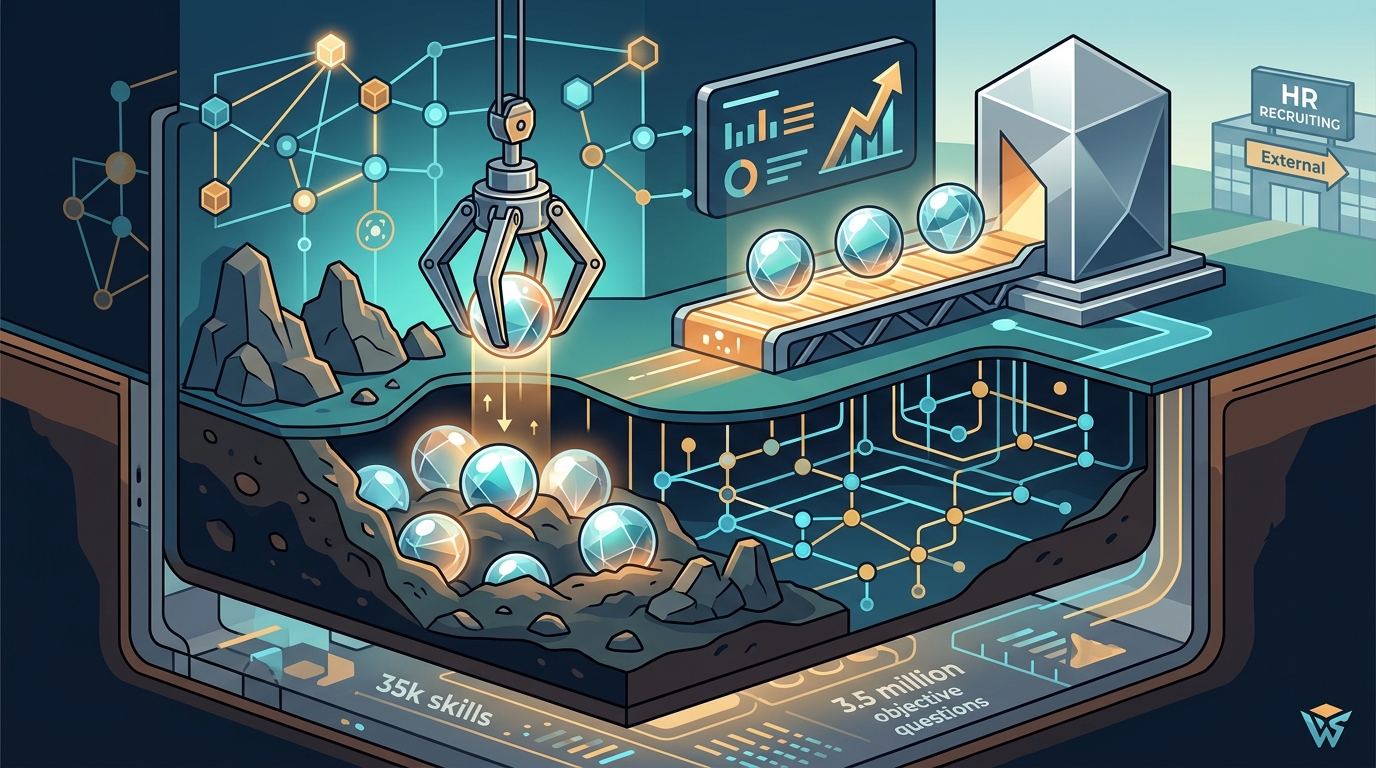
Use your skill intelligence platform to visualize these gaps. The platform should highlight critical skills that are in short supply and those that are abundant. This visualization allows you to prioritize your reskilling efforts effectively. You can also identify internal mobility opportunities, matching employees to new roles based on their potential rather than their past experience.
Mapping gaps also helps in succession planning. You can identify potential successors for key roles and create targeted development plans for them. This proactive approach reduces the risk of talent shortages and ensures business continuity.
The goal is to create a talent marketplace within your organization. When employees and managers can see available skills and opportunities, internal mobility increases. This reduces hiring costs and improves employee satisfaction.
Step 4: Assess AI Impact on Roles
The rise of artificial intelligence is transforming the workplace. It is essential to understand how AI will impact your specific roles. Some tasks may be automated, while others may require new skills to work alongside AI tools.
Conduct an AI impact assessment for each role in your organization. This assessment should identify which tasks are susceptible to automation and which require human judgment. The result is a clear roadmap for reskilling and upskilling.
For example, routine data analysis might be automated, freeing up employees to focus on strategic interpretation. Conversely, roles requiring complex decision-making may need training in AI ethics and oversight. Understanding these nuances allows you to prepare your workforce for the future of work.
According to recent studies, organizations that proactively address AI impact see a smoother transition and higher employee confidence. Ignoring this step can lead to resistance and inefficiency. By being transparent about AI's role, you can empower your employees to embrace change.
Step 5: Execute Reskilling Actions
The final step is to execute the reskilling and upskilling actions identified in the previous steps. This involves creating personalized learning paths for employees. These paths should be tailored to their specific gaps and career goals.
Use your platform to automate the recommendation of learning resources. This could include courses, workshops, or mentorship opportunities. The key is to make learning accessible and relevant to the employee's daily work.
Monitor the progress of these initiatives closely. Use the platform's analytics to track completion rates and skill acquisition. Adjust the plans as needed based on the data. This iterative approach ensures that your training efforts are effective and efficient.
Finally, celebrate successes. Recognize employees who have successfully acquired new skills and applied them to their roles. This reinforcement encourages a culture of continuous learning and growth.
Key Takeaways
- Skill Intelligence is Data-Driven: It replaces intuition with evidence, allowing for objective talent decisions.
- Dynamic Taxonomies are Essential: A living taxonomy evolves with the market, ensuring relevance.
- Adaptive Assessments Increase Precision: They reduce testing time while providing accurate skill measurements.
- Skills Gaps Reveal Opportunities: Mapping gaps helps identify internal mobility and reskilling needs.
- AI Impact Assessment is Critical: Understanding AI's role in each role is vital for future readiness.
- Personalized Learning Drives Engagement: Tailored reskilling paths improve employee satisfaction and retention.
- The Wise Skill Platform Offers Automation: Its fleet of AI agents helps execute talent initiatives efficiently.
Frequently Asked Questions
What is the difference between reskilling and upskilling?
Reskilling involves training employees for a new role, while upskilling focuses on enhancing their current skills. Both are essential for adapting to business changes.
How does adaptive assessment work?
Adaptive assessment adjusts the difficulty of questions in real-time based on the user's answers, providing a precise measurement of their skill level.
Why is a dynamic skill taxonomy important?
A dynamic taxonomy ensures that the skills you measure are relevant to current and future business needs, rather than outdated job descriptions.
Can skill intelligence help with succession planning?
Yes, by identifying high-potential employees and their development needs, skill intelligence supports effective succession planning.
How does The Wise Skill ensure data privacy?
The Wise Skill is certified ISO 27001 and ISO 42001, ensuring GDPR compliance and robust data protection from the start.
What is the role of AI in talent management?
AI automates the analysis of skills and gaps, providing actionable insights and personalized learning recommendations.
How long does it take to implement a skill intelligence platform?
Implementation can be rapid, often delivering initial insights in minutes, with full integration taking a few weeks depending on complexity.
Get Started with The Wise Skill
Ready to transform your talent management strategy? Discover how The Wise Skill can help you map skills, evaluate your team, and detect gaps in minutes. Schedule a free demo today and see the power of skill intelligence in action. Connect what your business needs with what your people know and can do.