
Skills mapping is the process of cataloging the specific abilities and competencies of every employee against the requirements of their roles. For mid-size companies, this practice reveals hidden talent by exposing verified skills that do not appear on traditional resumes or job titles. The Wise Skill uses AI-driven mapping to identify these gaps and opportunities, allowing leaders to deploy internal talent before spending on external hiring.
Why Traditional HR Methods Miss Hidden Talent
Most mid-size organizations rely on job titles and annual performance reviews to assess their workforce. These methods create a static view of employee capabilities. A senior analyst might possess advanced data visualization skills, but if their title is 'Analyst,' that capability remains invisible to leadership. This invisibility leads to missed internal mobility opportunities and unnecessary external recruitment costs.
The Wise Skill addresses this by moving beyond job titles. The platform maps the actual skills each person possesses, creating a dynamic inventory of talent. This approach ensures that every employee's capabilities are visible and measurable, regardless of their current position.
How Skills Mapping Works in Practice
Skills mapping is a systematic process that involves three core steps: identification, verification, and analysis. First, the organization defines the skills required for each role. Next, employees declare their skills, and the platform verifies them through adaptive assessments. Finally, the system analyzes the gap between current skills and required skills.
Once the data is collected, the platform generates a skills map. This map visualizes the distribution of skills across teams and departments. Leaders can see at a glance where there are surpluses and where there are gaps. This visualization turns abstract talent data into actionable insights.
Identifying Hidden Talent with Data
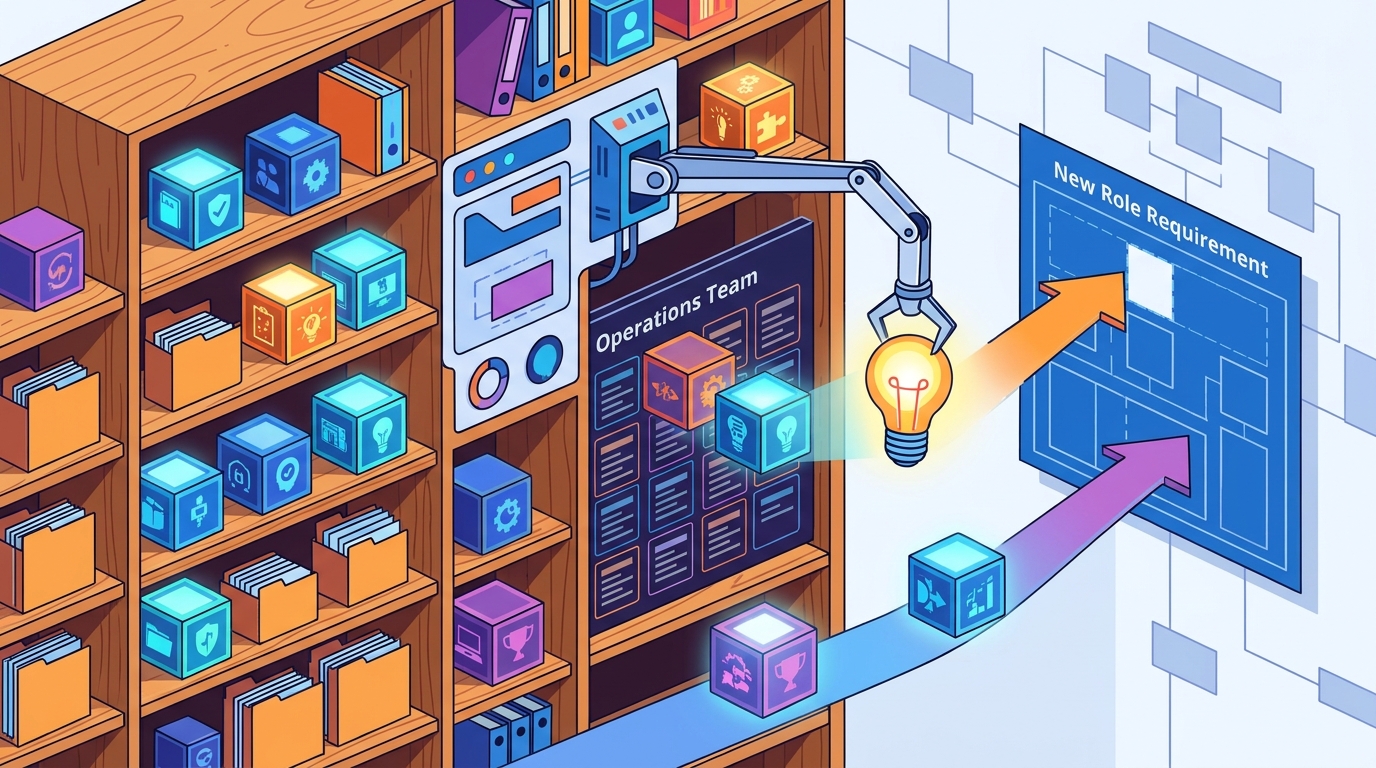
Hidden talent is often found in employees who have developed skills outside their primary job function. For example, a marketing coordinator might have strong project management skills that make them a candidate for a program manager role. Skills mapping reveals these cross-functional capabilities by comparing an employee's verified skills against the requirements of other roles in the organization.
The platform can identify employees who are 'ready to promote' or 'ready to move' based on their skill profiles. This is not based on seniority or tenure, but on verified capability. A mid-size company might discover that a portion of their workforce has the skills for a role they are currently hiring for externally. This discovery alone can save significant recruitment costs and reduce time-to-fill.
Furthermore, skills mapping helps identify 'hidden gems' in support functions. Employees in IT, HR, or finance often develop specialized skills that are valuable in other departments. By mapping these skills, companies can create internal talent pools that are ready to deploy when new projects or strategic initiatives arise.
From Mapping to Action: Closing the Gap
Identifying hidden talent is only the first step. The real value of skills mapping lies in the ability to act on that data. Once a company knows who has the skills, it can create targeted development plans to close any remaining gaps. This is where the platform's integration with learning and development tools becomes critical.
The Wise Skill connects skills gaps with specific learning resources. If an employee is close to meeting the requirements for a new role, the platform can recommend microlearning modules or courses to bridge the gap. This targeted approach ensures that training investments are focused on high-potential employees who are likely to move into new roles. It also prevents the common mistake of training everyone in everything, which is inefficient and costly.
By linking skills mapping with development plans, companies can create a continuous cycle of talent growth. Employees see a clear path for their career progression, which improves retention and engagement. Leaders gain a reliable pipeline of internal talent, reducing their dependence on external hiring.
Key Takeaways
- Skills mapping is a data-driven process that reveals verified employee capabilities beyond job titles.
- Traditional HR methods often miss hidden talent because they rely on static job descriptions.
- Adaptive assessments ensure that skills data is accurate and reliable for decision-making.
- Skills mapping can identify internal candidates for external roles, saving recruitment costs.
- Targeted development plans based on skills gaps are more effective than generic training programs.
- The Wise Skill provides a comprehensive platform for mapping, evaluating, and developing talent.
Frequently Asked Questions
What is skills mapping?
Skills mapping is the process of identifying, verifying, and analyzing the specific skills and competencies of employees within an organization.
How does skills mapping help identify hidden talent?
It reveals verified skills that do not appear on resumes or job titles, allowing leaders to see employees' full capabilities and potential for new roles.
Is skills mapping only for large enterprises?
No, skills mapping is particularly valuable for mid-size companies that need to optimize their workforce without the resources of large enterprises.
How accurate are self-declared skills?
Self-declared skills can be inaccurate. Adaptive assessments are used to verify skills and ensure data precision.
Can skills mapping reduce external hiring costs?
Yes, by identifying internal candidates who already possess the required skills, companies can fill roles internally and save on recruitment costs.
How long does it take to implement skills mapping?
Implementation time varies, but platforms like The Wise Skill can generate an initial skills map in minutes, with full deployment in about 15 days.
Conclusion
Skills mapping is a powerful tool for mid-size companies looking to optimize their workforce and uncover hidden talent. By moving beyond job titles and relying on verified data, organizations can make more informed decisions about internal mobility and development. The Wise Skill provides the technology and methodology to make this process efficient and accurate. To start your skills mapping journey, request a demo and see how your data can reveal the talent you already have.