
Skills intelligence is the systematic collection and analysis of data regarding employee capabilities, competencies, and potential. According to recent workforce analytics reports, organizations that successfully embed skills data into their core HR infrastructure see a 30 percent increase in internal mobility rates within the first year. This shift moves companies away from rigid job descriptions toward dynamic, capability-based workforce planning. The integration process requires careful alignment between technical systems and human capital strategy. We will guide you through the essential steps to achieve this transformation effectively. (The Wise Skill Recruiting)
Understanding Skills Intelligence
Before diving into technical integration, it is vital to define what skills intelligence actually entails. Skills intelligence is a data-driven approach to understanding the capabilities of your workforce. It goes beyond traditional resumes by capturing real-time skills, proficiency levels, and learning interests. This definition distinguishes it from static HR records that often become outdated quickly. (The Wise Skill Recruiting)
Traditional HR systems rely on job titles and historical performance reviews. These methods fail to capture the nuance of modern work, where roles evolve rapidly. Skills intelligence provides a granular view of what employees can actually do. This clarity enables better talent matching and reduces hiring costs. Companies that ignore this shift risk falling behind in talent acquisition efficiency. (The Wise Skill Recruiting)
The goal is to create a living map of your organization's capabilities. This map connects individual skills to business outcomes. When integrated correctly, it becomes the backbone of your talent strategy. You can identify skill gaps before they impact project delivery. This proactive stance is critical in today's fast-paced market.
Audit Your Existing Data
The first practical step is a comprehensive audit of your current HR data. Most organizations have fragmented data silos across ATS, LMS, and performance management tools. You must consolidate these sources to create a unified view. Start by listing all data points related to employee skills, certifications, and project experience.
Identify gaps in your current data collection. Are you tracking soft skills? Do you have visibility into informal learning? According to industry benchmarks, only 40 percent of companies have a complete view of their internal talent pool. This statistic highlights the urgency of a thorough audit. You need to know what you have before you can integrate new intelligence.
Engage HR business partners and IT leaders in this audit. They can provide insights into data quality and accessibility. Poor data quality will undermine any integration effort. Ensure that your existing systems can export data in standard formats like JSON or XML. This technical readiness is crucial for smooth integration later.
Choose Your Integration Method
There are three primary methods for integrating skills intelligence into your HR stack. Each method has distinct advantages and technical requirements. Your choice depends on your current infrastructure and budget.
| Method | Best For | Complexity | Speed to Value |
|---|---|---|---|
| API Integration | Companies with robust IT teams | High | Medium |
| Pre-built Connectors | Standard HRIS users | Low | Fast |
| Manual Data Entry | Small teams starting out | Low | Slow |
API integration offers the most flexibility but requires significant development resources. Pre-built connectors are ideal for organizations using major platforms like Workday or SAP. These connectors reduce implementation time and technical risk. Manual entry is not recommended for scaling organizations due to data latency.
Consider the security implications of each method. Ensure that your chosen method complies with GDPR and other data privacy regulations. Data protection is non-negotiable when handling employee information. Consult your legal team before finalizing your integration strategy.
Map Your Skills Framework
A skills ontology is the foundation of any successful skills intelligence system. A skills ontology is a standardized vocabulary that defines and categorizes skills across the organization. Without this, your data will remain chaotic and unusable. You must align your framework with industry standards to ensure relevance.
Start by identifying core technical and soft skills required for your business. Group these skills into logical categories such as leadership, technical expertise, and digital literacy. Use existing job descriptions as a baseline, but update them to reflect current needs. This process ensures that your framework is grounded in reality.
Involve subject matter experts in the mapping process. They can validate the accuracy and relevance of each skill definition. This collaboration builds trust and encourages employee adoption. If employees do not trust the framework, they will not engage with it. Engagement is key to data accuracy.
Regularly review and update your skills framework. Skills evolve rapidly in the digital age. A framework that is not updated becomes obsolete within months. Schedule quarterly reviews to keep your ontology current and accurate.
Implementation Steps
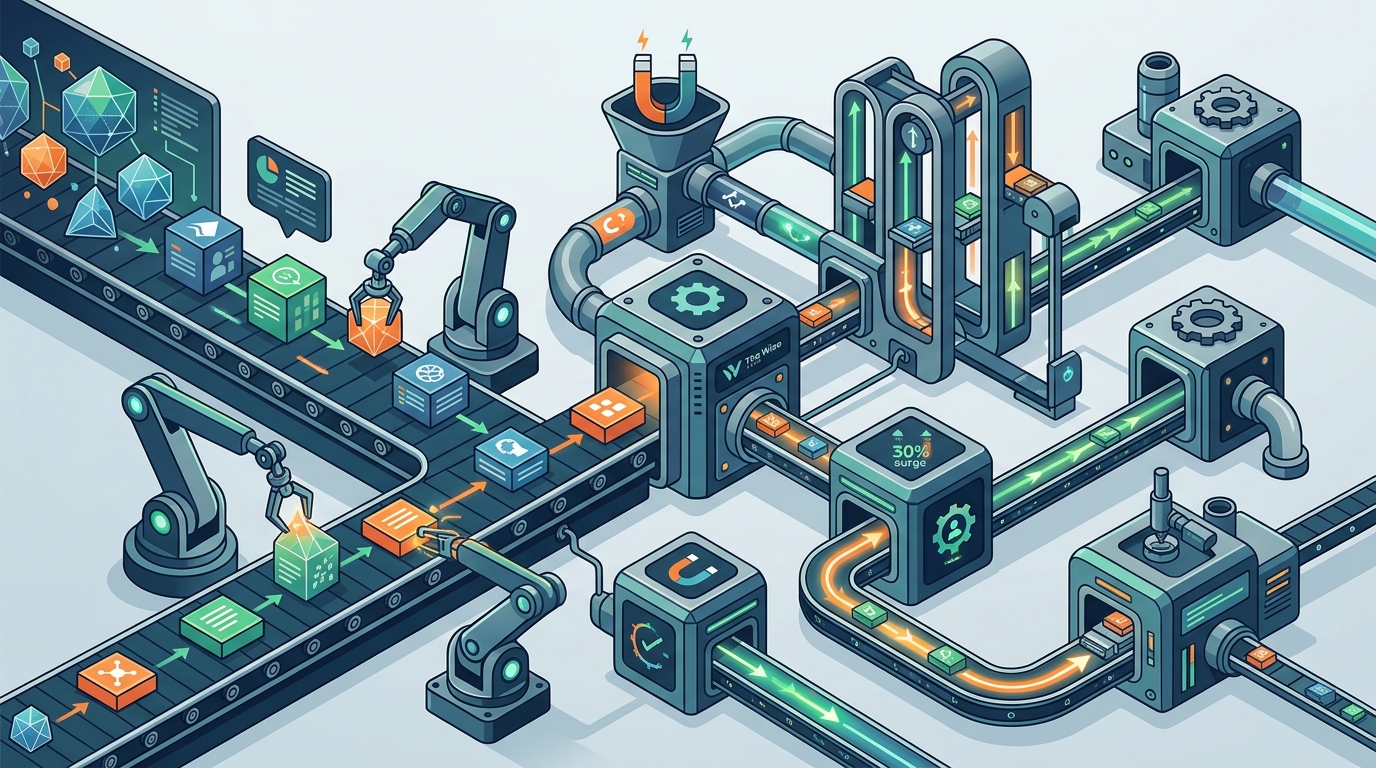
With your audit complete and framework mapped, you can begin the technical integration. Follow these steps to ensure a smooth rollout.
Step 1: Pilot with a Single Department
Do not roll out to the entire organization at once. Start with a pilot group, such as the engineering or sales department. This allows you to test the integration in a controlled environment. You can identify technical issues and gather feedback before scaling. Pilot success builds confidence among stakeholders.
Step 2: Configure Data Syncing
Set up automated data syncing between your skills platform and HRIS. Ensure that updates are reflected in real-time or near real-time. Manual syncing introduces errors and delays. Automation ensures that your skills data remains current. Test the sync frequency to balance performance and data freshness.
Step 3: Train HR and Managers
Your HR team and managers need to understand how to use the new system. Provide comprehensive training on interpreting skills data. Show them how to identify gaps and match talent to projects. Training reduces resistance and increases adoption rates. Make training ongoing, not a one-time event.
Step 4: Launch Employee Self-Service
Enable employees to update their own skills profiles. This empowers them to take ownership of their career development. Provide clear guidelines on how to add and validate skills. Encourage peer validation to enhance data accuracy. Employee engagement drives the quality of your skills intelligence.
Key Takeaways
- Skills intelligence transforms static HR data into dynamic workforce insights.
- A comprehensive data audit is the critical first step in integration.
- Pre-built connectors offer the fastest path to value for most companies.
- A standardized skills ontology ensures consistency and usability.
- Pilot programs reduce risk and build stakeholder confidence.
- Employee self-service is essential for data accuracy and engagement.
- Regular framework updates keep your skills data relevant.
Frequently Asked Questions
How long does integration take?
Integration timelines vary based on complexity. Simple connector setups can take two weeks. Complex API integrations may take three to six months. Pilot phases add additional time for testing and refinement.
Is skills intelligence expensive?
Costs depend on the solution chosen. SaaS platforms offer scalable pricing. Custom API development requires higher upfront investment. However, the ROI from reduced hiring costs often justifies the expense.
How do I ensure data privacy?
Implement strict access controls and encryption. Ensure compliance with local data protection laws. Regularly audit data access logs. Transparency with employees builds trust and legal compliance.
What if our data is messy?
Start with a data cleansing initiative. Use automated tools to standardize formats. Involve HR business partners to validate corrections. Clean data is the foundation of accurate intelligence.
Can small businesses use skills intelligence?
Yes, skills intelligence is scalable. Small businesses can start with manual mapping and basic tools. As they grow, they can adopt more sophisticated systems. The principles remain the same regardless of size.
How do I measure success?
Track metrics like internal fill rates, time-to-productivity, and employee engagement. Compare these metrics before and after integration. Continuous monitoring ensures you achieve your strategic goals.
What role does AI play?
AI automates skill extraction from resumes and project data. It also predicts future skill needs based on trends. AI enhances accuracy and reduces manual effort significantly.
Get Started
Integrating skills intelligence is a strategic imperative for modern HR. It empowers you to build a agile, future-ready workforce. The Wise Skill provides the expertise and tools to guide you through this process. Visit our demo page to see our platform in action. Explore our blog for more insights on talent strategy. Contact us to schedule a consultation and transform your HR systems today.