
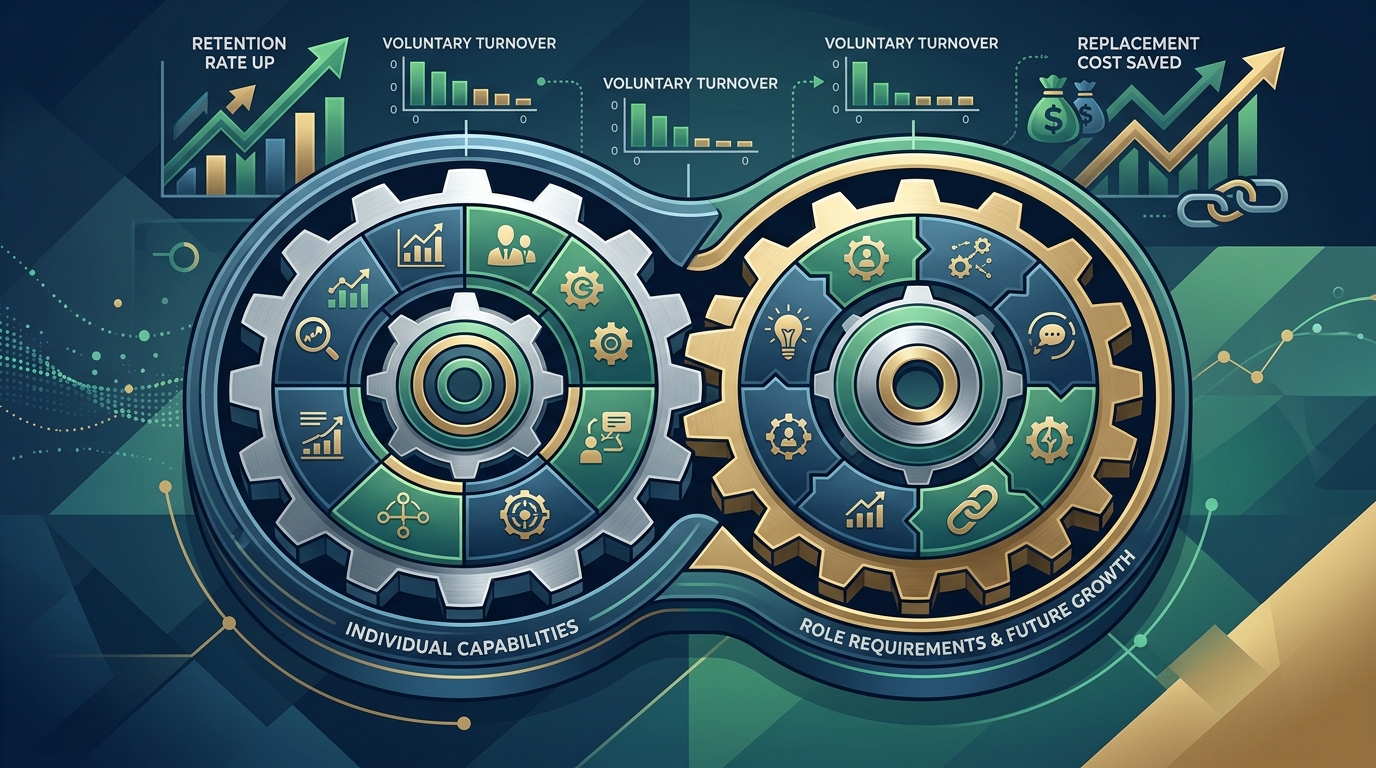
Workforce retention has shifted from a reactive human resources function to a proactive data-driven discipline. According to recent industry analyses, organizations that leverage granular skills data see a significant reduction in voluntary turnover compared to those relying on intuition alone. This shift is critical because the cost of replacing an employee often exceeds 150% of their annual salary. By understanding the specific capabilities of your workforce, you can align roles with individual strengths, thereby increasing job satisfaction and long-term commitment. (The Wise Skill Recruiting)
Why Skills Data Matters for Retention
Skills data is the structured information regarding the abilities, competencies, and knowledge levels of your employees. It is not merely a list of job titles but a dynamic map of what your team can actually do. When leaders have visibility into these capabilities, they can make informed decisions about project assignments, promotions, and development needs.
The connection between skills visibility and retention is direct. Employees who feel their unique talents are recognized and utilized are less likely to seek opportunities elsewhere. A lack of internal mobility is a primary driver of turnover. When workers cannot see a path for growth within their current organization, they look outside. Skills data illuminates these internal paths, showing employees that their company is invested in their professional evolution.
Furthermore, skills data helps in identifying high-potential individuals who might otherwise be overlooked. By focusing on potential rather than just past performance, organizations can create a more inclusive and engaging work environment. This inclusivity fosters loyalty and reduces the cultural friction that often leads to attrition.
Identifying Skill Gaps and Growth Opportunities
One of the most powerful applications of skills data is the identification of skill gaps. A skill gap is the difference between the skills employees currently possess and the skills required to perform their roles effectively or advance to the next level. Identifying these gaps allows for targeted training programs that are relevant and immediate.
When training is aligned with an employee's career aspirations, engagement increases. For example, if a software developer expresses interest in machine learning, and the skills data shows they have the foundational programming skills, the organization can provide specific resources to bridge that gap. This support signals to the employee that their growth is a priority.
Moreover, understanding skill gaps helps in succession planning. By knowing who has the skills to step into leadership roles, organizations can prepare internal candidates rather than relying on external hires. This internal promotion strategy is a key retention tool because it rewards loyalty and provides clear advancement opportunities.
Creating Personalized Career Pathways
Personalized career pathways are tailored routes for professional development that align with an individual's skills, interests, and goals. Unlike generic career ladders, these pathways are dynamic and responsive to the employee's evolving capabilities.
To create these pathways, leaders must regularly update skills data and conduct one-on-one career conversations. These discussions should focus on where the employee wants to go and what skills they need to get there. The skills data provides the evidence needed to map out a realistic and achievable plan.
For instance, an employee in marketing might have strong analytical skills but lack creative design experience. A personalized pathway might involve a rotation in the design team, followed by advanced analytics training. This cross-functional exposure not only builds a more versatile employee but also keeps the work fresh and engaging, reducing burnout.
Predictive Retention Models
Predictive retention models use historical skills data and current engagement metrics to forecast which employees are at risk of leaving. These models analyze patterns such as stagnant skill development, lack of recent promotions, or mismatches between skills and current role demands.
By identifying at-risk employees early, organizations can intervene with proactive measures. This might include offering a new project, providing mentorship, or adjusting compensation. Early intervention is far more effective and less costly than trying to replace an employee after they have resigned.
According to data from leading HR technology firms, companies using predictive analytics for retention see a measurable improvement in workforce stability. The ability to act on data rather than reaction transforms retention from a crisis management task into a strategic advantage.
Implementation Strategies for Leaders
Implementing a skills-based retention strategy requires a structured approach. It begins with auditing your current skills data to ensure accuracy and completeness. This audit should involve both self-assessments and manager validations to create a holistic view of capabilities.
Next, integrate skills data into your performance management and learning systems. This integration ensures that skills development is not a separate activity but part of the daily workflow. Employees should see how their learning efforts contribute to their career progression and organizational goals.
Finally, foster a culture of continuous learning and feedback. Encourage employees to update their skills profiles regularly and recognize those who actively develop new competencies. This cultural shift reinforces the value of skills data and makes it a living part of the organization's DNA.
| Strategy | Key Action | Retention Impact |
|---|---|---|
| Skill Gap Analysis | Compare current vs. required skills | Targeted training increases engagement |
| Personalized Pathways | Map individual growth routes | Clear advancement reduces turnover |
| Predictive Modeling | Forecast attrition risk | Early intervention saves costs |
| Cultural Integration | Embed skills in daily workflow | Continuous learning fosters loyalty |
Key Takeaways
- Skills data provides the visibility needed to align employee strengths with organizational needs.
- Identifying skill gaps allows for targeted development that boosts engagement and reduces turnover.
- Personalized career pathways demonstrate a commitment to individual growth, fostering loyalty.
- Predictive retention models enable proactive intervention before employees decide to leave.
- Successful implementation requires accurate data audits and integration with performance systems.
- A culture of continuous learning reinforces the value of skills development.
- Organizations leveraging skills data see improved workforce stability and reduced replacement costs.
Frequently Asked Questions
How often should skills data be updated?
Skills data should be updated regularly, ideally quarterly or after significant project completions. This ensures the data reflects current capabilities and emerging interests.
What is the role of managers in skills data retention?
Managers play a crucial role by validating skills data, discussing career goals, and identifying development opportunities based on the data insights.
Can skills data predict turnover accurately?
While no model is perfect, skills data combined with engagement metrics can significantly improve the accuracy of turnover predictions by highlighting at-risk patterns.
How do I start implementing skills-based retention?
Start by auditing your current skills data, integrating it with learning systems, and fostering a culture that values continuous development and internal mobility.
What are the benefits of personalized career pathways?
Personalized pathways increase job satisfaction by aligning work with individual strengths and aspirations, leading to higher retention rates.
Is skills data only for large organizations?
No, skills data is valuable for organizations of all sizes. It helps smaller teams optimize their limited resources and retain key talent effectively.
How does skills data impact employee engagement?
Skills data impacts engagement by providing clear development paths and recognizing employee contributions, making them feel valued and understood.
Start Optimizing Your Workforce Today
Transform your retention strategy with data-driven insights. Visit The Wise Skill Demo to see how our platform can help you leverage skills data for better workforce outcomes. Learn more about our approach on our About page or explore our blog for more insights on recruiting and training.