
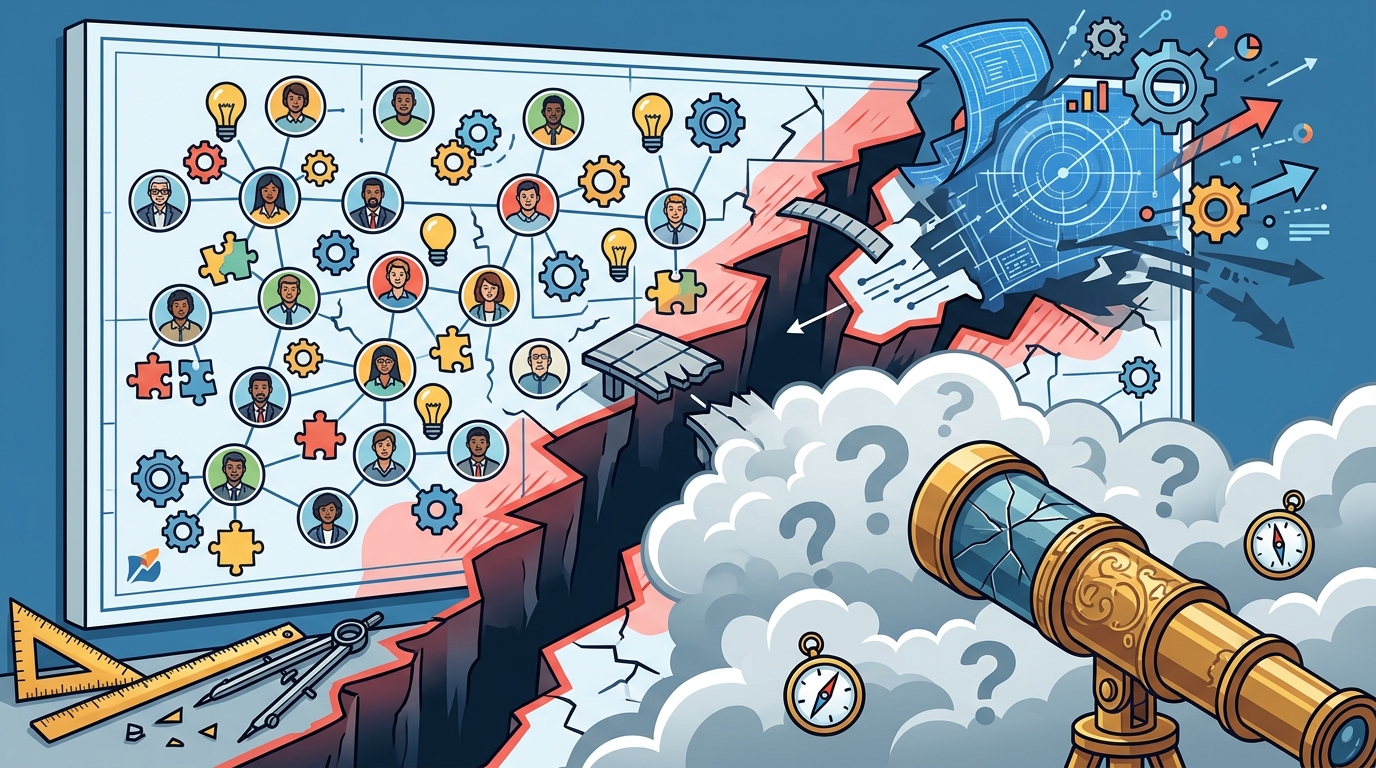
Organizations that fail to map their internal capabilities against market demands face significant operational risks. According to recent industry analysis, nearly 60% of companies report a critical disconnect between their current workforce skills and future business needs. This gap is not merely a hiring problem but a strategic intelligence failure. Without a clear view of what your team can do versus what they need to do, you are flying blind. This guide provides the definitive framework for uncovering these hidden deficits and building a resilient talent strategy. (The Wise Skill Recruiting)
What Is Skills Intelligence?
Skills intelligence is the systematic process of collecting, analyzing, and applying data about the abilities, competencies, and potential of your workforce. It moves beyond traditional job titles to focus on the actual tasks people can perform. This approach allows organizations to see their talent as a dynamic asset rather than a static headcount. (The Wise Skill Recruiting)
Traditional HR metrics often rely on outdated job descriptions. Skills intelligence updates this view in real time. It reveals who knows what, who can learn what, and where the organization is vulnerable. By adopting this data-driven mindset, you shift from reactive hiring to proactive capability building.
Step 1: Audit Current Capabilities
The first phase of identifying gaps is understanding your baseline. You cannot fix what you do not measure. This step involves a deep dive into the existing talent pool to catalog actual skills rather than assumed ones.
Self-Assessment Surveys
Deploy comprehensive self-assessment surveys to every employee. These tools should ask employees to rate their proficiency in specific technical and soft skills. While self-reporting has limitations, it provides a quick snapshot of employee confidence and perceived expertise. Use these results to identify high-potential individuals who may be underutilized.
Manager Validation
Pair self-assessments with manager reviews. Managers often see work output that employees might overlook. This dual-layer approach reduces bias and provides a more accurate picture of performance. It also opens dialogue about career development and skill acquisition.
Performance Data Analysis
Review historical performance data to identify patterns. Look for employees who consistently exceed goals in specific areas. These individuals often possess tacit knowledge that is not documented in their job descriptions. Capturing this hidden talent is crucial for filling critical gaps.
Step 2: Map Future Needs
Once you know where you stand, you must define where you need to go. This requires aligning talent strategy with business strategy. If your company is pivoting to artificial intelligence, for example, your skills map must reflect that shift.
Strategic Business Alignment
Work with executive leadership to identify key business initiatives for the next 12 to 24 months. Each initiative will require specific capabilities. For instance, a new digital platform launch might require advanced data analytics and UX design skills. Map these requirements directly to your current talent inventory.
Industry Benchmarking
Compare your required skills against industry standards. Competitors and industry leaders often set the pace for skill evolution. According to global workforce trends, the half-life of professional skills is shrinking, meaning skills become obsolete faster than ever before. You must anticipate these shifts rather than react to them.
Scenario Planning
Create multiple talent scenarios based on different business outcomes. What if revenue grows by 20%? What if you enter a new market? Each scenario changes your skills requirements. This proactive planning prevents talent shortages during critical growth periods.
Step 3: Conduct Gap Analysis
The gap analysis is the core diagnostic step. It compares your current state against your future state to identify specific deficits. This process reveals where you have excess capacity and where you are critically deficient.
Quantifying the Deficit
Calculate the number of employees needed for each critical skill. If you need 10 data scientists and have 2, you have a gap of 8. This quantification helps prioritize hiring and training budgets. It also provides clear metrics for measuring progress.
Qualitative Gap Assessment
Not all gaps are numerical. Some gaps are qualitative, such as a lack of leadership depth or cultural alignment. Assess the quality of existing skills. Do your current experts have the depth required for complex challenges? Or do they only have surface-level knowledge?
Priority Ranking
Rank gaps by business impact. A gap in cybersecurity might be more critical than a gap in marketing automation. Focus your resources on closing the highest-impact gaps first. This ensures that your talent strategy supports the most vital business outcomes.
Tools and Methodologies
Effective skills intelligence requires the right technology and processes. Manual spreadsheets are insufficient for large organizations. You need platforms that can aggregate data from multiple sources.
| Methodology | Description | Best For |
|---|---|---|
| Skills Ontology | A standardized framework for categorizing and linking skills. | Large enterprises with complex roles. |
| AI-Driven Profiling | Uses machine learning to infer skills from work history. | Dynamic, fast-changing industries. |
| Continuous Feedback | Real-time input from peers and managers on performance. | Agile teams and project-based work. |
| External Labor Market Data | Analysis of hiring trends and skill availability outside. | Strategic workforce planning. |
Implementing these tools requires a cultural shift. Employees must trust that data collection is for development, not surveillance. Transparency is key to successful adoption. When employees see the value in skills intelligence, they engage more deeply with their own development.
Key Takeaways
- Skills Intelligence is the systematic analysis of workforce capabilities to inform strategic decisions.
- Auditing Current Capabilities requires a mix of self-assessment, manager validation, and performance data.
- Mapping Future Needs aligns talent strategy with business goals and industry benchmarks.
- Gap Analysis quantifies and prioritizes deficits to guide hiring and training investments.
- Technology Integration is essential for scaling skills data across large organizations.
- Cultural Trust is critical for accurate data collection and employee engagement.
- Proactive Planning prevents talent shortages and supports sustainable growth.
Frequently Asked Questions
How often should I update my skills inventory?
Skills inventories should be updated at least quarterly. In fast-changing industries, monthly updates may be necessary to capture rapid shifts in technology and market demands.
What is the difference between skills and competencies?
Skills are specific, teachable abilities such as coding or writing. Competencies are broader characteristics that include skills, knowledge, and behaviors required for effective performance.
How do I handle resistance to skills auditing?
Communicate the benefits clearly. Emphasize that skills intelligence is for development and career growth, not for performance management or layoffs. Build trust through transparency.
Can small businesses benefit from skills intelligence?
Yes. Small businesses often have more agile talent structures. Identifying gaps early allows them to compete with larger organizations by leveraging their most valuable assets: their people.
What role does AI play in skills intelligence?
AI automates the classification of skills and predicts future needs based on labor market trends. It reduces the manual burden of data collection and analysis.
How do I measure the ROI of skills intelligence?
Track metrics such as time-to-fill for critical roles, internal promotion rates, and employee retention. A successful skills strategy reduces hiring costs and improves productivity.
What are the common pitfalls in gap analysis?
Common pitfalls include relying solely on self-reported data, ignoring soft skills, and failing to align skills with business strategy. Ensure a holistic approach to avoid blind spots.
Next Steps
Identifying skills gaps is the first step toward building a future-ready workforce. The Wise Skill provides the expertise and tools to help you navigate this complex landscape. We specialize in recruiting and training solutions that finally work for your organization. Visit our About page to learn more about our mission. Explore our Blog for more insights on talent strategy. Ready to transform your workforce? Schedule a Demo today to see how we can help you bridge the gap.