
Skills intelligence is the systematic collection and analysis of data regarding employee capabilities, competencies, and potential. This approach transforms raw HR data into actionable strategic assets. According to recent workforce analytics reports, organizations that successfully implement skills-based frameworks see a 30% increase in internal mobility rates. This shift moves companies away from rigid job titles toward dynamic capability mapping. The integration process requires careful alignment between technical infrastructure and human capital strategy. It is not merely a software update but a fundamental restructuring of how talent is identified and deployed.
Understanding Skills Intelligence
Before diving into technical implementation, it is crucial to define the core concept. Skills intelligence is the process of gathering, organizing, and analyzing data about the skills employees possess and the skills the organization needs. This definition distinguishes it from traditional performance management, which focuses on past behavior. Instead, skills intelligence looks forward to future potential and capability gaps. It relies on a standardized taxonomy of skills to ensure consistency across the enterprise.
Traditional HR systems often store skills in unstructured formats, such as free-text resume fields or outdated job descriptions. This fragmentation makes it nearly impossible to identify talent accurately. By contrast, a robust skills intelligence framework creates a unified view of workforce capability. This unified view enables precise matching between employee profiles and project requirements. The result is a more agile and responsive organization.
For a deeper understanding of how recruiting and training frameworks support this shift, you can explore The Wise Skill resources. Their approach emphasizes the practical application of these concepts in real-world hiring scenarios.
Audit Existing Data Sources
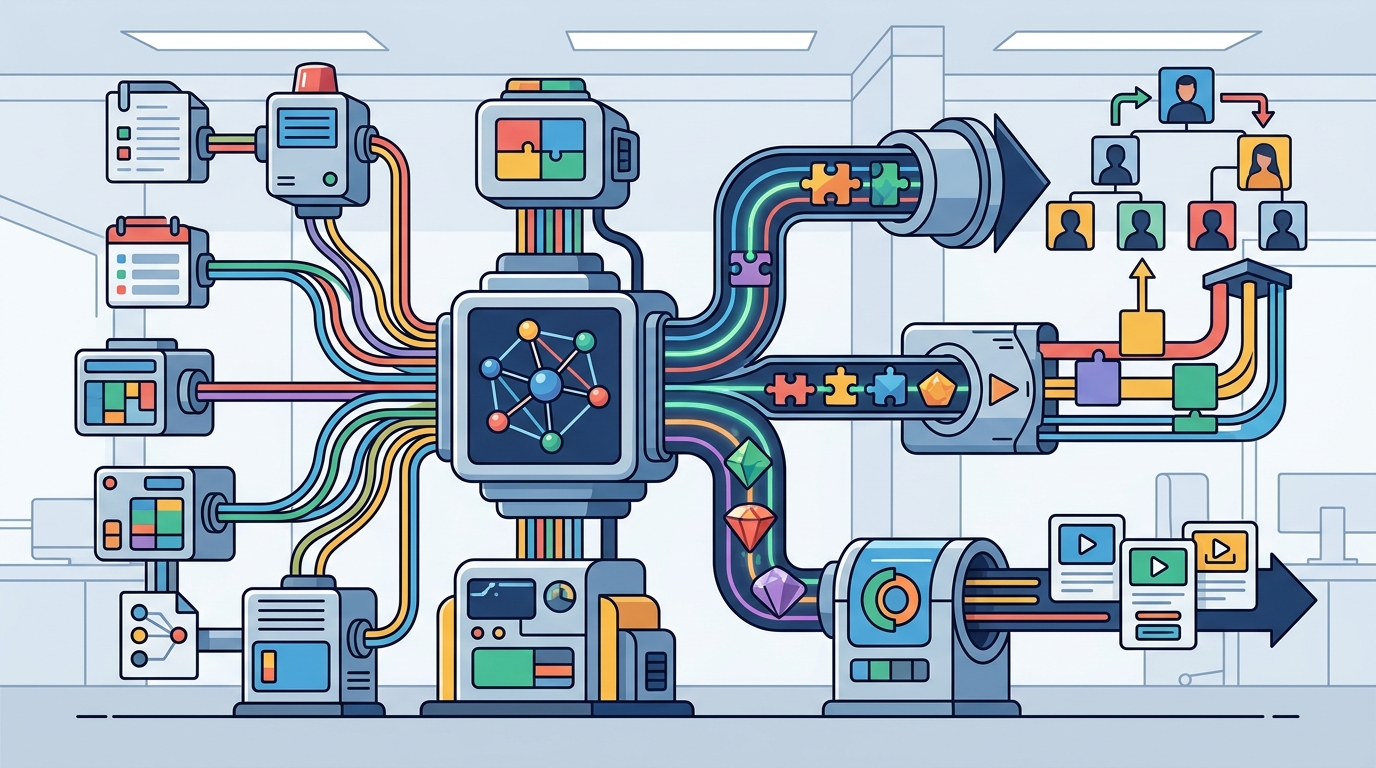
The first step in integration is a comprehensive audit of your current data landscape. You must identify where skill-related information currently resides within your organization. This typically includes Human Resource Information Systems (HRIS), Applicant Tracking Systems (ATS), and Learning Management Systems (LMS). Each of these sources holds valuable but siloed data points.
Conduct a gap analysis to determine what data is missing or inaccurate. For example, your HRIS might list job titles but lack details on specific technical competencies. Your LMS might record course completion but not link it to actual skill proficiency. This audit reveals the baseline from which you will build your new skills ontology.
Consider the quality of your existing data. Is it standardized? Is it up to date? Poor data quality is the primary reason skills initiatives fail. Ensure that you have a clear governance model for who can update skill profiles and how often. Regular audits should be scheduled to maintain data integrity. For more insights on maintaining data quality, review The Wise Skill blog for ongoing industry updates.
Select Integration Method
Once you have audited your data, you must choose how to integrate skills intelligence into your workflow. There are three primary methods: API-driven integration, middleware platforms, and native module upgrades. Each method has distinct advantages and technical requirements.
API-driven integration offers the most flexibility. It allows you to connect your skills platform directly to your HRIS, ATS, and LMS. This method requires strong technical resources but provides real-time data synchronization. Middleware platforms act as a bridge between disparate systems. They are useful when you need to transform data formats before storage. Native module upgrades are the simplest path if your current vendor offers a skills module.
When evaluating these options, consider your IT capacity and budget. API integrations often require ongoing maintenance. Middleware solutions can be costly but reduce technical debt. Native upgrades may lack depth but offer easier onboarding. For a demonstration of how these integrations work in practice, schedule a demo to see the workflow in action.
Data Normalization and Mapping
Data normalization is the technical process of converting raw skill data into a standardized format. This step is critical for ensuring that "Python programming" in one system matches "Python" in another. You must establish a common skills taxonomy that aligns with industry standards. This taxonomy should include hard skills, soft skills, and emerging competencies.
Mapping involves linking employee profiles to this taxonomy. This can be done through automated parsing of resumes and job descriptions or through manual employee self-assessment. Automated parsing is faster but may miss nuance. Manual assessment is more accurate but labor-intensive. A hybrid approach often yields the best results.
Ensure that your mapping strategy accounts for skill proficiency levels. Not all employees with the same skill have the same level of expertise. Define clear proficiency scales, such as beginner, intermediate, advanced, and expert. This granularity allows for more precise talent matching. For detailed guidance on mapping frameworks, visit The Wise Skill about page.
Change Management and Adoption
Technical integration is only half the battle. The human element of change management is equally important. Employees may resist updating their profiles or adopting new workflows. Leadership must communicate the benefits of skills intelligence clearly. Emphasize how it supports career growth and internal mobility.
Provide training and support for all users. Create clear documentation on how to update skill profiles and interpret skills data. Establish a feedback loop to address user concerns and improve the system. Celebrate early wins to build momentum. For example, highlight successful internal placements made possible by skills matching.
Resistance often stems from fear of obsolescence. Reassure employees that skills intelligence is about empowerment, not replacement. Frame it as a tool for professional development. For more on training strategies, check The Wise Skill FAQ.
Measuring ROI and Impact
To justify the investment, you must measure the impact of your skills intelligence initiative. Key metrics include time-to-fill for internal roles, employee retention rates, and skills gap closure speed. Track these metrics before and after implementation to establish a baseline.
Internal mobility is a primary indicator of success. If employees are moving into new roles more frequently, your skills data is working. Reduced time-to-productivity for new hires is another strong metric. It shows that skills matching is improving onboarding efficiency.
Regularly report these metrics to stakeholders. Use data to refine your skills taxonomy and integration processes. Continuous improvement is key to long-term success. For legal and privacy considerations regarding employee data, review The Wise Skill legal page.
Key Takeaways
- Skills intelligence transforms unstructured HR data into actionable strategic assets for workforce planning.
- A comprehensive data audit is the essential first step to identify gaps in current HRIS and ATS systems.
- API-driven integration offers the most flexibility but requires significant technical resources and maintenance.
- Data normalization ensures consistency by mapping diverse skill inputs to a standardized industry taxonomy.
- Change management is critical, focusing on employee empowerment and career growth to drive adoption.
- Internal mobility rates and time-to-fill metrics are primary indicators of skills intelligence ROI.
- Regular data governance and privacy compliance are necessary to maintain trust and data integrity.
Frequently Asked Questions
What is the difference between skills intelligence and traditional HR data?
Traditional HR data focuses on static attributes like job titles and tenure. Skills intelligence focuses on dynamic capabilities and potential, allowing for more agile talent matching.
How long does it take to integrate skills intelligence into existing systems?
Integration timelines vary based on complexity. Simple native upgrades may take weeks, while complex API integrations can take several months depending on data volume.
Is skills intelligence only for large enterprises?
No, skills intelligence is beneficial for organizations of all sizes. It helps smaller companies identify internal talent and reduce hiring costs effectively.
How do I ensure data privacy during integration?
Implement strict access controls and anonymize data where possible. Ensure compliance with local regulations like GDPR or CCPA. Review The Wise Skill privacy page for guidelines.
What is the best way to measure the success of a skills initiative?
Track internal mobility rates, time-to-fill for internal roles, and employee engagement scores related to career development.
Can skills intelligence replace recruiters?
No, it augments recruiters by providing data-driven insights. It shifts their role from sourcing to strategic talent advisory.
How often should skill profiles be updated?
Profiles should be updated regularly, ideally quarterly or after significant project completions, to maintain accuracy.
What are the common pitfalls in skills data mapping?
Common pitfalls include using non-standardized terminology and failing to account for proficiency levels, leading to inaccurate matching.
Where can I find more resources on recruiting and training?
You can explore The Wise Skill frequently asked questions for comprehensive resources on these topics.
Get Started with Skills Intelligence
Integrating skills intelligence is a transformative step for any modern HR strategy. It requires careful planning, technical execution, and cultural change. By following the steps outlined above, you can build a robust skills framework that drives organizational agility. Start by auditing your data and selecting the right integration method. For personalized guidance on implementing these strategies, schedule a demo today to see how The Wise Skill can support your journey.