
Skills Intelligence Platform Pricing Models and ROI for Enterprise Teams
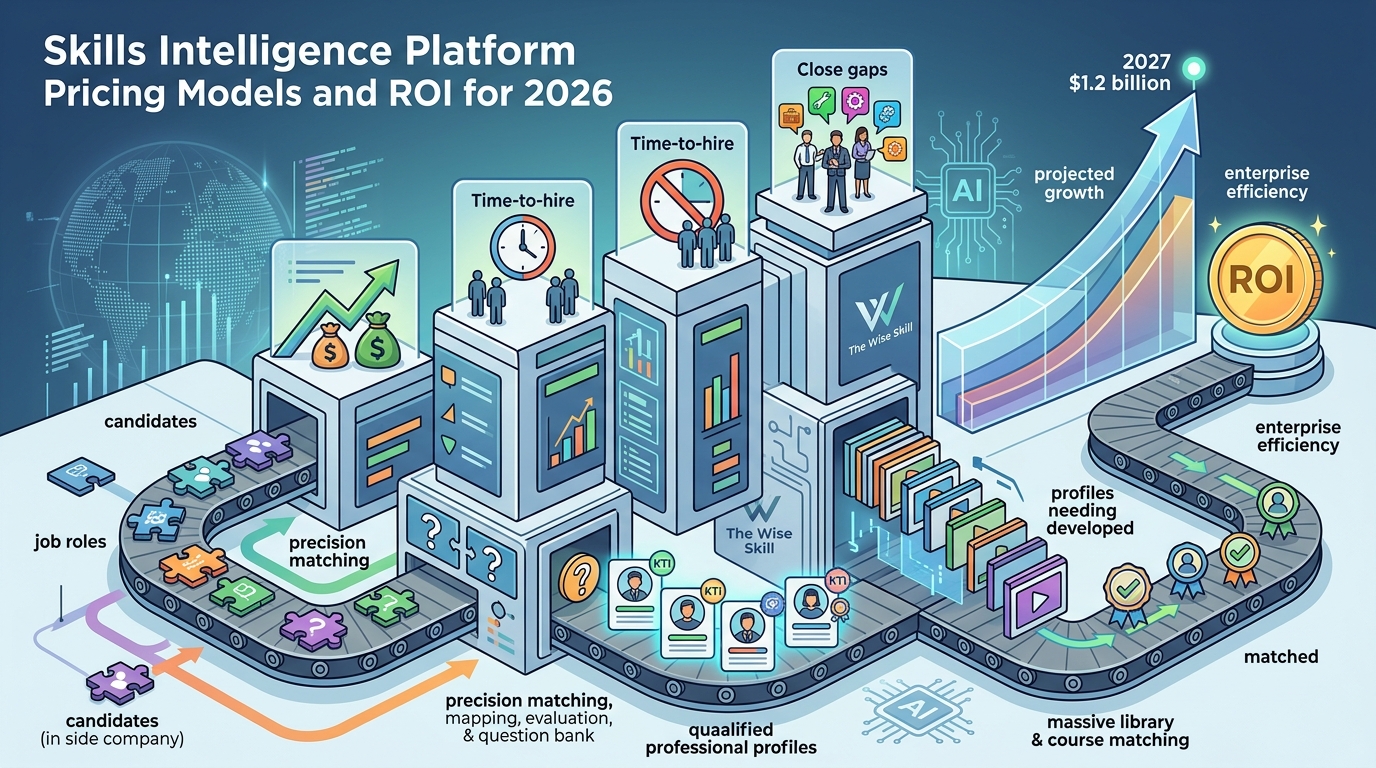
The global skills intelligence market is projected to reach $1.2 billion by 2027, driven by the urgent need for organizations to map internal talent against rapidly evolving AI capabilities. According to recent industry data, companies that implement structured skills mapping see a 30% reduction in time-to-hire for critical roles. This shift from intuition-based management to evidence-driven talent strategy is no longer optional for enterprises navigating the 2026 labor landscape. Understanding the financial implications of these platforms is essential for securing budget approval and ensuring long-term operational efficiency. (Qui nes somos Skill)
Understanding Pricing Models for Skills Intelligence
Enterprise skills intelligence platforms typically operate on a tiered subscription model based on the number of active users and the depth of analytical features required. The Wise Skill, for instance, utilizes a scalable architecture that allows organizations to start with core mapping capabilities and expand into advanced agent-driven execution. Pricing structures often include:
- Base Platform Fee: Covers the core taxonomic engine and initial skill mapping tools.
- Per-User Licensing: Variable costs based on the number of employees undergoing assessment or mapping.
- Advanced Analytics Add-ons: Fees for deep-dive automation potential scores and predictive gap analysis.
- Integration Costs: One-time or recurring fees for connecting with existing HRIS and LMS ecosystems.
Unlike traditional HR software that charges for static headcount, skills platforms often price based on active assessments or dynamic skill updates. This aligns costs with actual usage and value realization. Organizations should evaluate whether a flat enterprise license or a usage-based model better fits their fluctuating talent needs.
Calculating True ROI for Skills Intelligence
Return on investment in skills intelligence extends beyond direct software savings. It encompasses reduced turnover, faster onboarding, and optimized training spend. The Wise Skill framework emphasizes measuring the impact of AI on each role, providing a clear numerical breakdown of which tasks are automated and which require human expertise. This precision allows HR leaders to justify platform costs through tangible operational improvements.
Key ROI drivers include:
- Reduced Time-to-Productivity: By mapping skills accurately, new hires reach competency faster. Data shows that structured onboarding can reduce ramp-up time by up to 40%.
- Internal Mobility Efficiency: Identifying internal talent for open roles reduces external recruiting fees, which average $4,700 per hire in the enterprise sector.
- Targeted Training Spend: Eliminating generic training programs in favor of gap-specific interventions ensures every dollar spent on development yields measurable skill acquisition.
- Risk Mitigation: Proactively identifying skills gaps prevents project delays and compliance failures associated with unqualified staff.
When calculating ROI, enterprises should track the cost of inaction. The expense of misaligned talent, missed promotions, and redundant hiring often dwarfs the platform subscription cost within the first year of deployment.
Implementation and Integration Strategies
Successful deployment of a skills intelligence platform requires seamless integration with existing HR infrastructure. The Wise Skill platform offers frictionless integration with major HRIS and LMS providers, ensuring data flows without manual reconciliation. This technical alignment is critical for maintaining data integrity and user adoption.
Implementation typically follows a phased approach:
- Discovery and Mapping: Define the organizational taxonomy and map current skills against strategic goals. This phase leverages the platform's agent fleet to reconstruct departments and profiles automatically.
- Assessment and Validation: Deploy adaptive assessments to measure actual skill levels. The platform's adaptive engine adjusts question difficulty in real-time, providing precise proficiency scores.
- Action and Execution: Use the insights to drive reskilling, upskilling, or hiring decisions. The platform's agents can execute approved actions, such as launching training campaigns or updating profiles.
Security and compliance are paramount during implementation. Platforms like The Wise Skill are certified ISO 27001 and ISO 42001, ensuring GDPR readiness and alignment with the EU AI Act. This certification guarantees that sensitive employee data is protected throughout the assessment and mapping lifecycle.
Platform Comparison: Features and Capabilities
Not all skills intelligence platforms offer the same depth of analysis or integration capabilities. The following table compares key features across leading enterprise solutions:
| Feature | The Wise Skill | Traditional HRIS | Generic LMS |
|---|---|---|---|
| Skill Mapping Method | Agent-driven, contextual | Manual entry | Course-based |
| Assessment Type | Adaptive, high-precision | Static surveys | Quiz-based |
| AI Automation Score | Task-level breakdown | None | None |
| Integration Depth | HRIS, LMS, Content | Basic API | SCORM/xAPI |
| Security Certifications | ISO 27001, ISO 42001 | Varies | Varies |
The Wise Skill distinguishes itself through its agent-driven approach, which reduces manual data entry and increases accuracy. Its focus on "skill intelligence" rather than just "skills management" provides a dynamic view of talent that evolves with the market.
Key Takeaways
- Market Growth: The skills intelligence market is expanding rapidly, with significant investment in AI-driven talent solutions.
- Pricing Flexibility: Enterprise platforms offer scalable pricing models that align with organizational growth and usage patterns.
- ROI Drivers: Key benefits include reduced time-to-hire, lower training costs, and improved internal mobility.
- Implementation Speed: Modern platforms can map organizational skills in minutes, not months, accelerating time-to-value.
- Security Compliance: ISO certifications and GDPR readiness are standard for leading platforms, ensuring data protection.
- Agent Automation: AI agents can execute approved talent actions, reducing HR administrative burden.
- Strategic Alignment: Skills mapping connects individual capabilities directly to business strategy, enabling data-driven decisions.
Frequently Asked Questions
How does skills intelligence pricing differ from traditional HR software?
Skills intelligence platforms often price based on active assessments or dynamic skill updates rather than static headcount. This model aligns costs with actual usage and value realization, making it more scalable for enterprises with fluctuating talent needs.
What is the typical ROI timeline for implementing a skills platform?
Organizations typically see measurable ROI within 6 to 12 months. Key drivers include reduced time-to-hire, lower training costs, and improved internal mobility. The exact timeline depends on the organization's size and the complexity of its talent landscape.
How does The Wise Skill ensure data security?
The Wise Skill is certified ISO 27001 and ISO 42001, ensuring GDPR readiness and alignment with the EU AI Act. Data protection is integrated into the platform's architecture from the ground up, not added as an afterthought.
Can skills intelligence platforms integrate with existing HRIS systems?
Yes, modern platforms like The Wise Skill offer frictionless integration with major HRIS and LMS providers. This ensures data flows seamlessly without manual reconciliation, maintaining data integrity and user adoption.
What is the difference between skills mapping and skills assessment?
Skill mapping defines the skills required for each role and builds the organizational taxonomy. Skills assessment measures the actual proficiency of employees against those requirements. Together, they provide a complete view of talent gaps and potential.
How does AI impact skills intelligence pricing?
AI-driven platforms often offer more accurate and efficient assessments, reducing the need for manual review. This efficiency can lower operational costs and improve the overall value proposition of the platform subscription.
Is skills intelligence suitable for small businesses?
While primarily designed for enterprises, scalable platforms offer tiered pricing that can accommodate smaller organizations. The benefits of data-driven talent management are valuable at any scale, particularly for growing companies.
Next Steps for Your Organization
Transform your talent management strategy with data-driven insights. Schedule a free demo to see how The Wise Skill can map your skills, assess your team, and detect gaps in minutes. Connect what your business needs with what your people know and can do. Visit The Wise Skill to learn more about our platform and start building a future-ready workforce today.