
To stay compliant with audit requirements, organizations must track verified skill levels, training completion dates, and role-specific competency evidence. This data must be linked to individual employee profiles and updated in real time. The Wise Skill provides the infrastructure to capture this evidence, ensuring that your workforce data is audit-ready at all times.
The Shift from Static Records to Living Evidence
Traditional HR systems often store training records as static PDFs or completion flags. These records rarely reflect an employee's current capability. Audit-ready skills tracking is the process of maintaining a dynamic, verifiable record of an employee's competencies over time. This approach moves beyond simple attendance logs to capture actual proficiency levels.
Regulators and internal auditors increasingly demand proof of competence, not just proof of participation. A static record cannot demonstrate that an employee can still perform a critical task after two years. By tracking skill levels against a defined taxonomy, you create a timeline of capability. This timeline serves as the primary evidence during an audit. It shows that the organization actively monitors and maintains workforce readiness.
The implication is clear: your HR data must be a living document. It must reflect the current state of your team. If your records are outdated, you are exposed to compliance risks that static systems cannot mitigate.
Defining the Core Data Points for Auditors
Auditors look for specific, granular data points that prove competency. You must track the skill itself, the proficiency level, the date of last verification, and the method of assessment. A skill is the capacity an individual applies in a real, useful, and consistent manner within a specific situation. Defining this clearly is the first step in compliance.
Consider a data analyst role. You must track not just that they took an Excel course, but their verified level in data visualization. You must record the date they were last assessed and the score they achieved. This level of detail is what distinguishes a compliant record from a vague one. It provides a clear audit trail that is easy to explain to external reviewers.
Without these specific data points, your compliance posture is weak. You cannot prove that your employees are qualified to perform their duties. This gap can lead to failed audits and potential regulatory penalties.
Integrating Assessment Data with HR Systems
Compliance fails when data is siloed. Training records often live in a Learning Management System (LMS), while job descriptions sit in a Human Resource Information System (HRIS). This fragmentation makes it difficult to generate a unified audit report. You need a system that connects these data sources into a single view of employee capability.
The Wise Skill integrates with your existing HR and LMS tools to centralize this data. It pulls in training completions and combines them with adaptive assessment results. This creates a comprehensive profile for each employee. The platform uses a living taxonomy of over 35,000 skills to standardize this data. This standardization ensures that your records are consistent and comparable across the organization.
The benefit of this integration is speed. When an auditor requests a report on a specific department, you can generate it instantly. You do not need to manually compile spreadsheets from multiple systems. This efficiency reduces the administrative burden on your HR team during audit season.
Managing Skill Expiration and Re-certification
Skills have a shelf life. A certification obtained five years ago may no longer reflect current industry standards or safety regulations. Tracking skill expiration is the practice of monitoring when a competency requires re-verification. This is critical for roles with high regulatory or safety implications.
For example, in a financial services firm, a compliance officer's knowledge of anti-money laundering regulations must be current. If their last assessment was three years ago, their record should flag them as needing re-certification. The system should alert managers before the skill expires. This proactive approach prevents compliance lapses before they occur.
By automating these alerts, you ensure that your workforce remains compliant without constant manual oversight. You shift from a reactive posture to a proactive one. This is a key differentiator in modern audit environments.
Generating Audit-Ready Reports with The Wise Skill
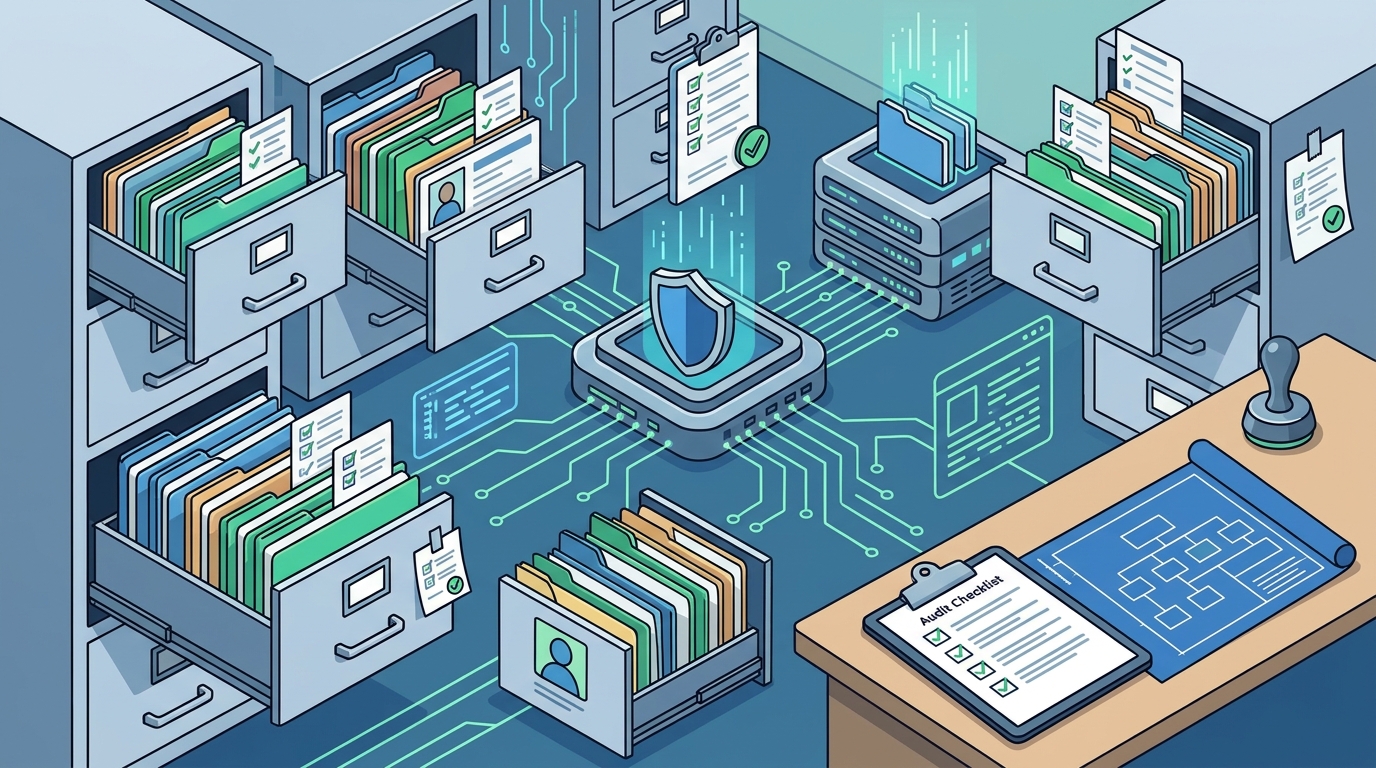
Generating reports is the final step in the compliance workflow. You need reports that are clear, concise, and formatted for external review. These reports should highlight gaps, show trends, and provide evidence of remediation. The Wise Skill generates these reports automatically from your tracked data.
The platform allows you to filter reports by department, role, or specific skill. You can see at a glance which employees are fully compliant and which need attention. This visibility is crucial for risk management. It allows you to prioritize your training budget and address critical gaps first.
Ultimately, the goal is to make your workforce data a strength, not a liability. By tracking skills with precision and integrating them into your HR ecosystem, you build a robust compliance framework. This framework supports your business goals and protects your organization from regulatory risk.
Key Takeaways
- Track verified skill levels, not just training completion dates.
- Use a standardized taxonomy to ensure data consistency across roles.
- Integrate assessment data with your HRIS and LMS to eliminate silos.
- Implement expiration alerts to manage skill shelf life proactively.
- Generate instant, filtered reports to reduce audit preparation time.
- Focus on evidence of competence rather than proof of participation.
Frequently Asked Questions
What is the difference between training records and skills tracking?
Training records show that an employee attended a course. Skills tracking measures the actual proficiency level achieved and verifies it over time. Skills tracking provides evidence of competence, which is what auditors require.
How often should skills be re-assessed for compliance?
The frequency depends on the role and industry regulations. High-risk roles may require annual re-assessment, while others may need verification every two to three years. Your system should allow you to set custom expiration dates for each skill.
Can I use my existing LMS for audit compliance?
An LMS alone is often insufficient because it lacks granular skill level data. You need a skills intelligence platform that integrates with your LMS to add proficiency levels and gap analysis to the training records.
What data points do auditors typically request?
Auditors typically request the employee's name, role, specific skills required, verified proficiency levels, dates of last assessment, and any pending re-certifications. They look for a clear audit trail for each competency.
How does The Wise Skill help with audit preparation?
The Wise Skill centralizes skill data, automates expiration alerts, and generates formatted reports. This allows HR teams to respond to audit requests quickly and accurately without manual data compilation.
Conclusion
Compliance is not just about checking boxes; it is about proving capability. By tracking employee skills with precision and integrating that data into your HR systems, you build a defensible audit trail. The Wise Skill provides the tools to make this process efficient and accurate. To ensure your workforce is audit-ready, request a demo and see how you can transform your talent data into a compliance asset.