
Choosing the right skills mapping platform is a critical decision for any organization aiming to align its workforce with strategic goals. The right tool transforms vague talent assumptions into measurable data, enabling leaders to make informed decisions about training, hiring, and internal mobility. This guide outlines the seven essential features that define a robust skills mapping solution in 2026.
1. A Comprehensive and Living Skills Taxonomy
2. Objective Assessment and Verification Tools
3. AI-Driven Gap Analysis and Insights
Artificial intelligence accelerates the identification of workforce gaps. AI-driven gap analysis is the process of comparing current verified skills against future strategic requirements to identify shortfalls. The platform should use AI to cross-reference individual profiles with role requirements and market trends. This automation allows HR teams to spot critical gaps quickly without manual spreadsheet work. It also helps predict which roles are most at risk of skill obsolescence.
4. Seamless Integration with HR and Learning Systems
Isolated data creates silos that hinder decision-making. System integration is the ability of a skills platform to exchange data with existing HRIS, ATS, and LMS tools. Your platform should connect natively with your current tech stack to ensure data flows automatically. This prevents manual data entry errors and keeps skill data up to date. Look for open APIs and pre-built connectors for major HR and learning providers.
5. Actionable Workforce Planning and Mobility Features
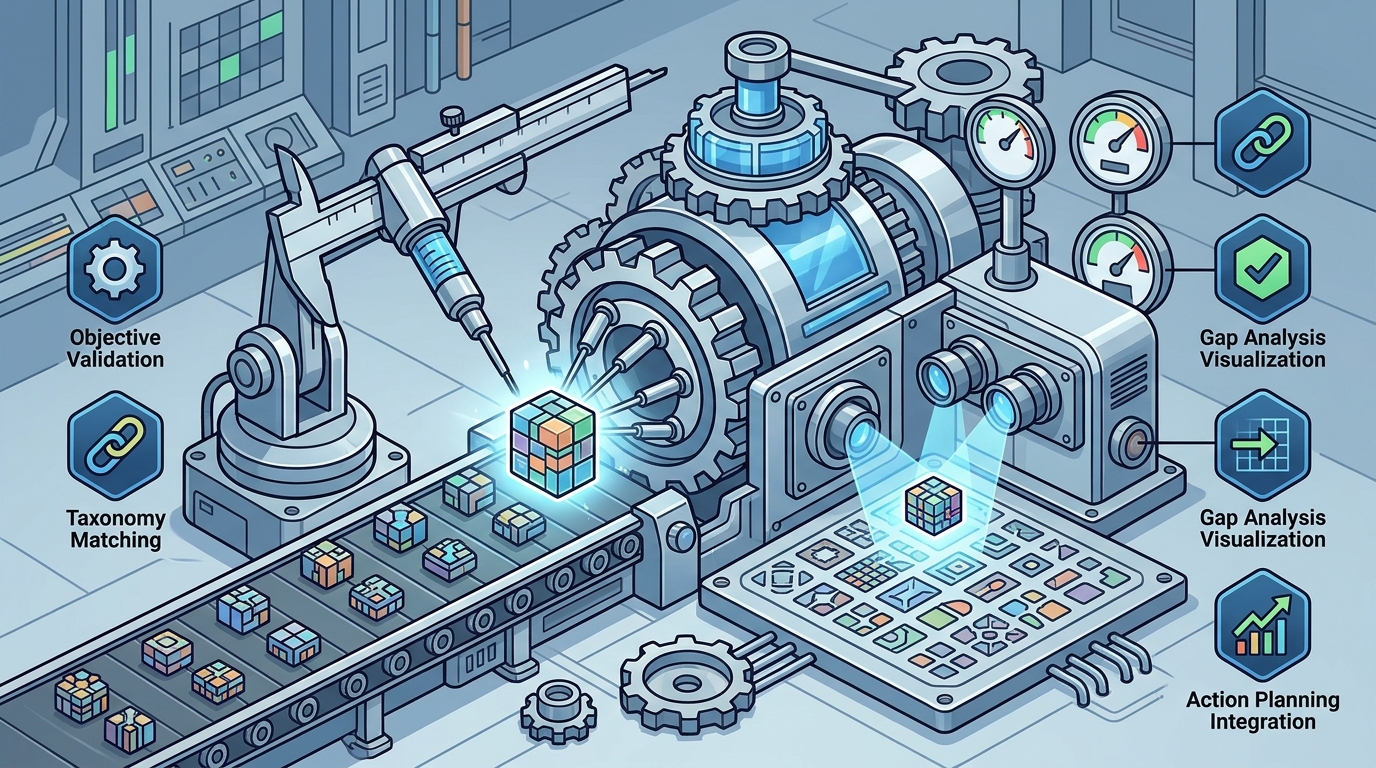
Mapping skills is only useful if it leads to action. Workforce planning is the strategic process of aligning talent supply with business demand. The platform should offer features that translate skill data into actionable plans, such as internal mobility recommendations and succession planning. It should help you visualize how to close gaps through training, redeployment, or hiring. This turns static data into a dynamic roadmap for your organization.
6. Robust Security and Compliance Standards
Talent data is sensitive and requires strict protection. Data security is the set of measures used to protect employee information from unauthorized access and breaches. Ensure the platform holds recognized certifications for information security and AI management. Compliance with regulations like GDPR and alignment with the EU AI Act are also critical. These standards demonstrate a commitment to ethical data handling and privacy.
7. User-Centric Design and Adoption Tools
How to Choose the Right Platform
Frequently Asked Questions
What is the main difference between a skills map and a job description?
A job description lists the tasks and responsibilities of a role, while a skills map details the specific competencies and proficiency levels required to perform those tasks effectively. Skills maps are more granular and dynamic, allowing for better measurement of individual capability.
How long does it take to implement a skills mapping platform?
Implementation time varies, but modern platforms with AI-assisted onboarding can generate a first skills map in minutes. Full value, including verified assessments and gap analysis, is typically realized within 15 days of deployment.
Can AI make decisions about employee promotions or terminations?
What is a skills taxonomy?
A skills taxonomy is a hierarchical classification system that organizes competencies into categories and subcategories. It provides a common language for defining, measuring, and comparing skills across an organization. Learn more: Tu estrategia convertida en.