
Organizations are facing a critical inflection point in talent management. According to recent industry analysis, over 60% of companies report that their current skills taxonomy is outdated or incomplete, creating a significant blind spot in strategic planning. This gap between perceived capability and actual operational capacity is widening as artificial intelligence reshapes job roles. The solution lies in adopting a rigorous skills intelligence framework that moves beyond static job descriptions to dynamic, evidence-based talent mapping. (Qui nes somos Skill)
What Is Skills Intelligence?
Skills intelligence is the systematic process of identifying, measuring, and managing the specific capabilities within an organization. It transforms vague notions of talent into quantifiable data points. This approach replaces intuition with evidence, allowing leaders to make decisions based on actual performance metrics rather than historical resumes. (Partners The Wise Skill)
Traditional human resources models rely heavily on job titles and tenure. These metrics are increasingly unreliable indicators of current capability. Skills intelligence focuses on what a person can actually do today. It creates a living map of organizational capacity that updates in real time. This dynamic view is essential for navigating rapid technological changes.
The foundation of this system is a comprehensive taxonomy. A skills taxonomy is a structured list of skills and competencies relevant to a specific industry or organization. It serves as the common language between human resources and business strategy. Without this shared vocabulary, talent decisions remain fragmented and subjective.
The Shift From Roles to Skills
The modern workplace is defined by fluidity. Job roles are no longer static boxes but evolving collections of tasks. This shift requires a new approach to talent acquisition and development. Companies that cling to rigid role definitions struggle to adapt to market demands.
Skills-first hiring focuses on capabilities rather than credentials. This method reduces bias and expands the talent pool. It allows organizations to identify high-potential candidates who may not have traditional backgrounds but possess the necessary aptitudes. This approach is particularly effective for technical and creative roles where portfolios and assessments matter more than degrees.
Internal mobility becomes more efficient with skills data. Employees can find new opportunities based on their verified competencies. This reduces turnover by providing clear pathways for growth. Managers can also identify skill gaps within existing teams. This enables targeted training rather than generic corporate workshops.
The transition to a skills-based organization requires cultural change. Leaders must trust data over hierarchy. Employees must embrace continuous learning. The organization must view skills as assets to be developed, not fixed traits.
How Skills Mapping Works
Skills mapping is the technical process of aligning individual capabilities with organizational needs. It begins with a comprehensive audit of current talent. This audit uses adaptive assessments to measure proficiency levels accurately. The results are mapped against a predefined skills taxonomy.
The mapping process involves several key steps. First, the organization defines the skills required for each strategic objective. Second, it assesses the current workforce against these requirements. Third, it identifies gaps and surplus capabilities. Finally, it creates action plans to address these disparities.
Automated agents play a crucial role in this workflow. These agents can analyze job descriptions, performance reviews, and project outcomes to infer skill usage. They reduce the manual burden on HR teams. This automation ensures that the skills map remains current and accurate.
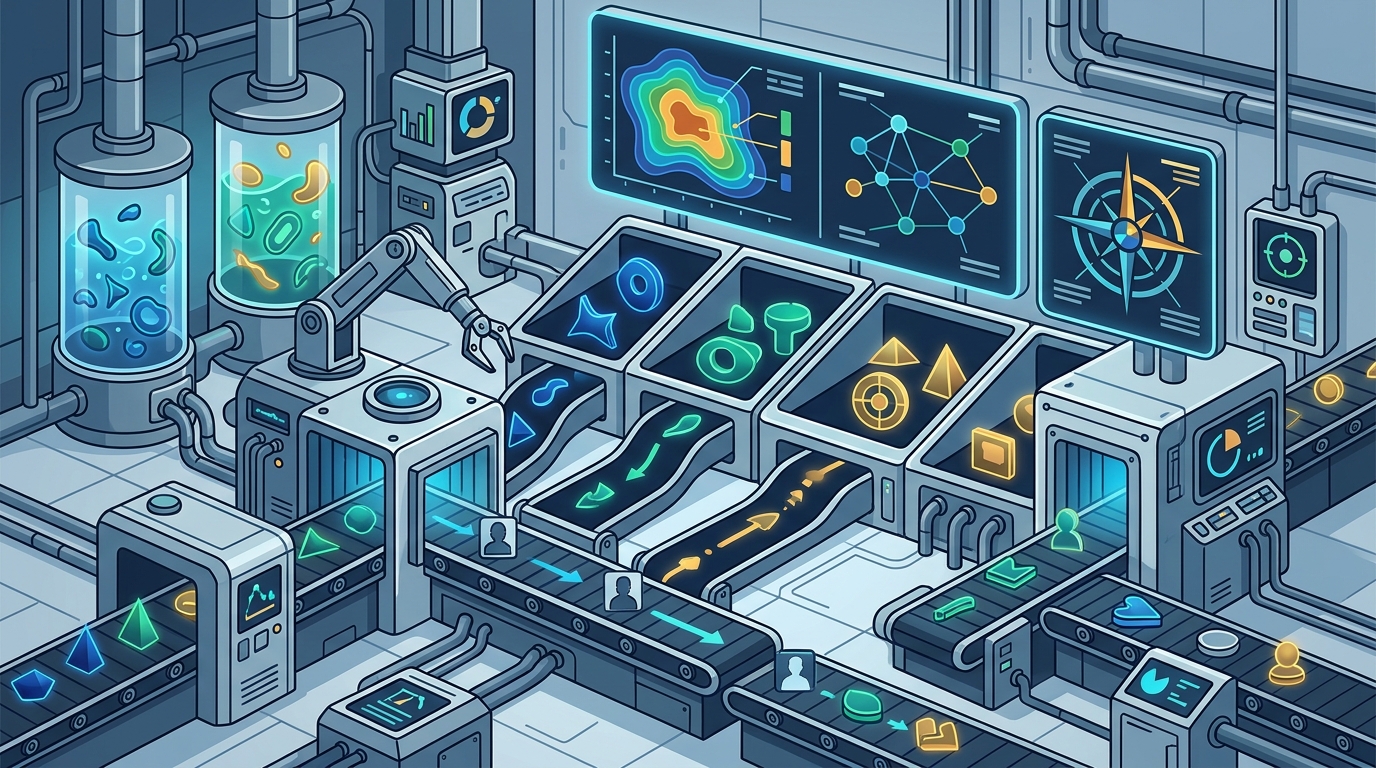
Visualization is another critical component. Interactive dashboards allow leaders to see the distribution of skills across departments. Heat maps highlight areas of strength and vulnerability. This visual data supports strategic workforce planning and budget allocation.
AI Impact Assessment
Artificial intelligence is not just a tool; it is a transformative force in talent management. It changes the nature of work by automating routine tasks and augmenting complex decision-making. Understanding this impact is vital for future-proofing the workforce.
AI impact assessment involves analyzing each role to determine which tasks are susceptible to automation. This analysis uses a standardized formula to calculate automation potential. It considers factors such as task complexity, frequency, and required human judgment.
The results categorize roles into three groups. Some roles are secure because they require high levels of human creativity and empathy. Others will be augmented by AI, increasing productivity for those who learn to use the tools. A third group may require complete retraining as their core tasks become obsolete.
This assessment is not a prediction of job loss. It is a roadmap for reskilling. It identifies which skills will remain valuable and which will need to be developed. This proactive approach minimizes disruption and maximizes organizational resilience.
Strategic Benefits of Skills Data
Implementing a skills intelligence framework delivers measurable business value. It improves hiring accuracy by matching candidates to actual job requirements. It reduces training costs by focusing resources on high-impact gaps. It enhances employee engagement by providing clear development paths.
Data-driven decision-making becomes the norm. Leaders can predict future talent needs based on strategic goals. They can simulate the impact of organizational changes before implementing them. This reduces risk and increases agility.
Compliance and security are also enhanced. Skills data provides an audit trail for all talent decisions. This transparency supports fair promotion practices and regulatory requirements. It ensures that talent management is equitable and consistent.
Comparison of Traditional vs. Skills-Based Talent Management
| Feature | Traditional Model | Skills Intelligence Model |
|---|---|---|
| Basis of Evaluation | Job Titles and Tenure | Verified Competencies and Performance |
| Data Source | Resumes and Self-Reports | Adaptive Assessments and AI Analysis |
| Flexibility | Low, Rigid Role Definitions | High, Dynamic Skill Mapping |
| AI Integration | Minimal or None | Core to Automation and Insight |
| Decision Making | Intuition and Bias | Evidence and Data |
Key Takeaways
- Skills intelligence replaces intuition with data-driven talent management.
- Over 60% of companies have outdated skills taxonomies, creating strategic blind spots.
- Skills-first hiring expands the talent pool and reduces bias.
- AI impact assessment categorizes roles into secure, augmented, or retrainable.
- Automated agents reduce the manual burden of skills mapping and maintenance.
- Dynamic skills taxonomies evolve with market demands and technological changes.
- Data-driven talent decisions improve hiring accuracy and reduce training costs.
Frequently Asked Questions
What is the difference between skills mapping and job analysis?
Job analysis focuses on the duties and responsibilities of a specific role. Skills mapping focuses on the capabilities required across the entire organization. It is broader and more dynamic, allowing for cross-functional mobility.
How accurate are AI-driven skills assessments?
AI-driven assessments use adaptive algorithms to adjust question difficulty in real time. This increases precision and reduces test fatigue. The results are statistically validated against industry benchmarks.
Can skills intelligence replace human recruiters?
No, it augments them. Skills intelligence provides the data and insights. Human recruiters provide the context, empathy, and final judgment. The combination leads to better outcomes than either approach alone.
How long does it take to implement a skills taxonomy?
Implementation time varies by organization size. With automated tools, initial mapping can be completed in weeks. Ongoing maintenance and refinement are continuous processes. The ROI is typically realized within the first year.
What is a skills taxonomy?
A skills taxonomy is a structured hierarchy of skills and competencies. It provides a common language for describing talent. It ensures consistency in assessment and reporting across the organization.
How does skills intelligence support diversity and inclusion?
It reduces bias by focusing on verified capabilities rather than pedigree. It identifies hidden talent within underrepresented groups. It ensures that promotion criteria are objective and equitable.
Is skills intelligence suitable for small businesses?
Yes, it is scalable. Small businesses benefit from agility and clear talent visibility. The principles are the same, but the scale of implementation is adjusted to fit resources.
Next Steps
Transform your talent strategy with evidence-based insights. Discover how to map skills, evaluate your team, and detect gaps in minutes. Schedule a free demo to see the platform in action. Connect what your business needs with what your people know and can do. Visit The Wise Skill to start your journey.