
Uncovering Hidden Internal Talent: The 2026 Guide for Mid-Size Companies
Mid-size companies often spend heavily on external hiring while overlooking internal talent. The Wise Skill is an online HR platform that helps organizations uncover hidden internal talent before spending on external hiring. It uses skill intelligence to map, evaluate, and match employees to new roles. This guide covers how to identify skills gaps, discover internal talent, and build a mobility strategy.
Skills Gap Identification
Skills gap identification is the process of comparing the skills required for a role with the skills an employee actually possesses. For mid-size companies, this step is critical because it reveals where training is needed and where hiring is unavoidable. Without this data, HR teams rely on intuition, which often leads to costly external searches. For additional details, review the Conecta lo que tu.
From Intuition to Evidence
Measuring the Distance
A gap is not just a missing skill. It is the measurable distance between the required level and the demonstrated level. The platform calculates this distance for every employee and every role. This creates a clear picture of where the organization stands. It also highlights critical gaps that could block strategic objectives. For additional details, review the Blog de Skill Intelligence.
Internal Talent Discovery
Internal talent discovery is the practice of finding employees who already possess the skills needed for open or future roles. Many mid-size companies fail to see this talent because it is hidden in job titles and departmental silos. A skills-based approach breaks down these silos. It allows leaders to see the full spectrum of capabilities across the entire workforce. For additional details, review the Aviso Legal The Wise.
Breaking Down Silos
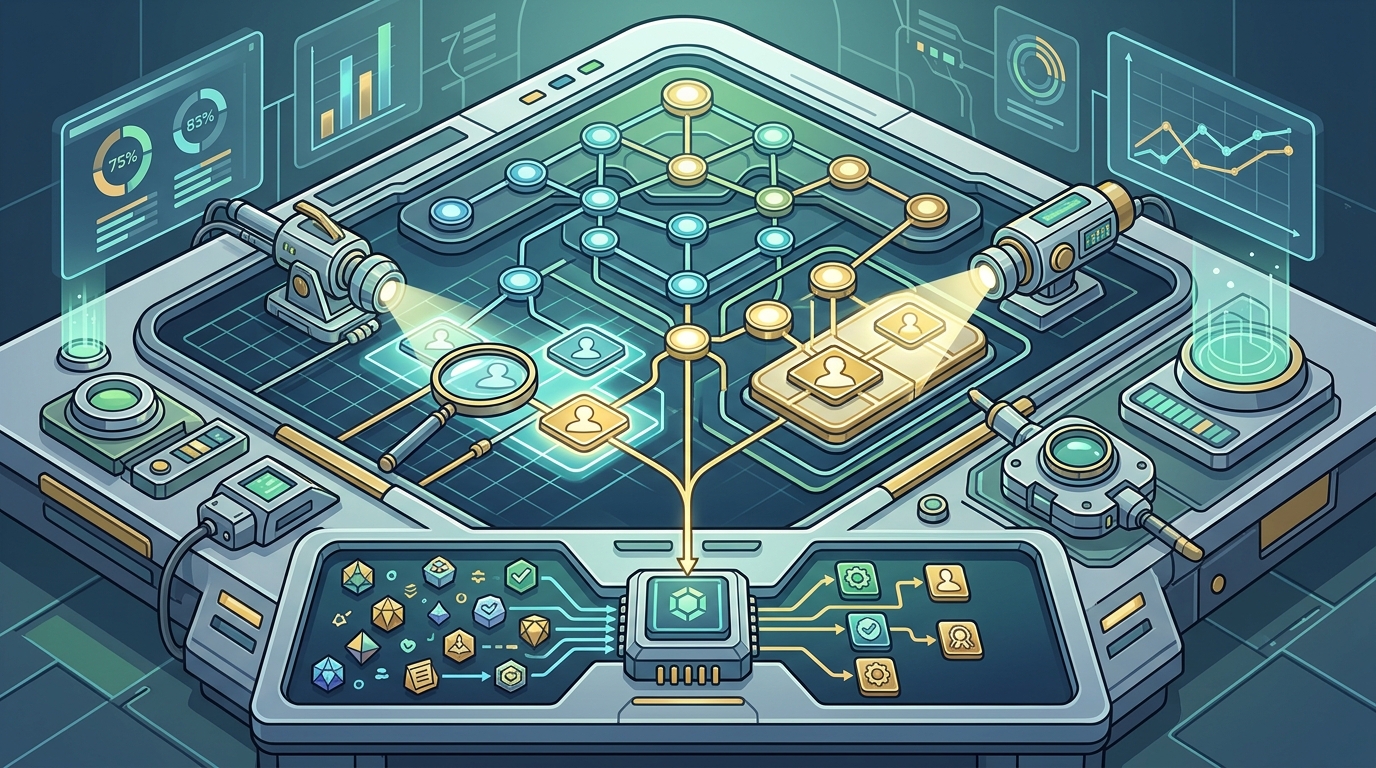
When you map skills, you create a unified view of your people. An employee in marketing might have strong data analysis skills. An engineer might have excellent communication abilities. These hidden talents are invisible in a traditional org chart. They become visible when you look at skills, not titles. This discovery process ensures you do not hire externally for skills you already have internally.
The Cost of Missing Internal Talent
External hiring is expensive and slow. It involves agency fees, onboarding time, and cultural integration risks. Internal mobility is faster and cheaper. It retains institutional knowledge and boosts employee morale. By discovering internal talent first, you reduce your cost-per-hire. You also improve retention by showing employees a clear path for growth.
Skills Matching
Skills matching is the algorithmic process of comparing a candidate's verified skills against the requirements of a specific role. This is the core engine of any modern talent platform. It moves beyond keyword matching in resumes. It looks at the depth and proficiency of each skill. This ensures that the match is based on actual capability, not just a list of buzzwords.
Objective Assessment
Real-Time Alignment
Skills matching is not a one-time event. It is a continuous process. As employees learn new skills, their profile updates. As business needs change, role requirements update. The platform recalculates matches in real time. This keeps your talent pool current and relevant. It ensures that when a role opens, you have an up-to-date list of internal candidates.
Internal Mobility Matching
Internal mobility matching is the specific application of skills matching to facilitate career moves within the company. It connects employees with roles they are qualified for but may not know about. This process is crucial for mid-size companies that want to retain top performers. It turns your workforce into a dynamic resource that can adapt to changing business needs.
Automated Recommendations
Manual matching is too slow for large workforces. An AI-driven platform can scan thousands of profiles in seconds. It identifies potential matches based on skill overlap and career aspirations. The system then presents these matches to managers and employees. This proactive approach ensures that opportunities are not missed. It also helps managers identify high-potential employees for development.
Reducing Time-to-Fill
Internal mobility significantly reduces time-to-fill. You do not need to post a job, screen hundreds of resumes, or conduct multiple interview rounds. The candidates are already in your system. They are already vetted. They already know your culture. This speed is a major competitive advantage. It allows you to respond to market changes faster than your competitors.
Internal Talent Mobility
Building a Culture of Growth
Employees want to grow. If they cannot grow within your company, they will leave. A strong internal mobility program signals that you value their development. It shows that you are investing in their future. This leads to higher engagement and lower turnover. It also builds a pipeline of leaders who understand the business from multiple angles.
Strategic Workforce Planning
Internal mobility is not just about individual careers. It is about organizational resilience. By moving talent strategically, you can prepare for future challenges. You can build cross-functional teams. You can reduce dependency on single points of failure. This strategic view is essential for mid-size companies that are growing rapidly. It ensures that your talent strategy aligns with your business strategy.
Skills Mapping
Skills mapping is the creation of a comprehensive inventory of all skills within your organization. It is the foundation of any skills intelligence strategy. A skills map shows you what your company knows and can do. It also shows you where the gaps are. This visual representation is a powerful tool for strategic planning and communication.
From Company Name to Talent Map
Building a skills map from scratch is time-consuming. The Wise Skill simplifies this process. You can start by entering your company name. The system reconstructs departments, profiles, and required skills. You can also upload a single file or sync with your HRIS. This zero-data-entry approach means you can have a draft map in minutes. It is a living document that evolves with your business.
The Value of a Shared Language
A skills map creates a common language for talking about talent. HR, leadership, and managers all use the same framework. This eliminates confusion and misalignment. It ensures that everyone is working towards the same goals. It also makes it easier to communicate with employees about their development. They can see exactly what is expected of them and how they can progress.
Key Takeaways
- Skills gap identification is the first step in any talent strategy. It reveals where training is needed and where hiring is required.
- Internal talent discovery breaks down departmental silos. It reveals hidden capabilities that are invisible in traditional org charts.
- Internal mobility matching automates the process of finding internal candidates for open roles. It reduces time-to-fill and cost-per-hire.
- Internal talent mobility is a strategic tool for retention and resilience. It builds a culture of growth and cross-functional expertise.
- Skills mapping creates a shared language for talent management. It provides a visual inventory of your organization's capabilities.
- The Wise Skill provides a comprehensive platform for all these activities. It helps mid-size companies make data-driven talent decisions.
Frequently Asked Questions
What is a skills gap?
A skills gap is the difference between the skills required for a role and the skills an employee actually possesses. It is measured using objective assessments, not self-reports.
How does internal talent discovery work?
Internal talent discovery uses skills mapping to identify employees who already have the skills needed for open or future roles. It breaks down silos and reveals hidden capabilities.
Is skills matching the same as resume screening?
How can internal mobility reduce hiring costs?
Internal mobility reduces hiring costs by eliminating agency fees and shortening the onboarding process. It also improves retention, which reduces turnover costs.
What is the role of AI in skills intelligence?
AI automates the process of mapping, matching, and identifying gaps. It can scan thousands of profiles in seconds and provide real-time recommendations for talent moves.
How long does it take to build a skills map?
With a platform like The Wise Skill, you can build a draft skills map in minutes. The system can reconstruct your organization from a company name or a single file.
Conclusion
Uncovering hidden internal talent is no longer optional for mid-size companies. It is a strategic necessity. By using a skills intelligence platform, you can make data-driven decisions about your workforce. You can identify gaps, discover hidden talent, and build a robust mobility strategy. The Wise Skill provides the tools you need to achieve this. It helps you connect what your business needs with what your people can do. To start your journey, request a free demo and see how The Wise Skill can transform your talent management.